

If you weren’t wearing a helmet, you might be wondering whether that automatically puts you at fault or takes away your ability to file a claim. Insurance companies often lean into that assumption, but the law has a different take. 

In Wisconsin, motorcycle helmets are strongly recommended for safety, but they are not legally required for riders who are 18 or older and properly licensed. Even if you were not wearing a helmet, you still have the right to pursue compensation if another driver caused the crash.

If you were injured while riding in Milwaukee, Madison, Appleton, or Green Bay, the focus of your claim is not whether you wore a helmet. It is whether another driver acted carelessly, failed to yield, was distracted, or otherwise caused the collision.

What Wisconsin Law Actually Says About Helmets

In Wisconsin, motorcycle helmet laws are limited. Riders and passengers under 18 and those riding with an instructional permit are required to wear helmets. For riders 18 and older with a valid license, helmets are optional.

That distinction matters. Choosing not to wear a helmet when you are legally allowed to do so is not, by itself, a violation of the law.

Can You Still File a Claim If You Were Not Wearing a Helmet?

Yes. You can still file a motorcycle accident claim even if you were not wearing a helmet.

The most important question in any motorcycle case is what caused the crash, not what you were wearing. If another driver was speeding, distracted, failed to yield, or simply was not paying attention, you still have the right to pursue compensation for the harm they caused. That can include:

  • Medical bills
  • Lost income
  • Damage to your motorcycle
  • Pain and physical limitations
  • Long-term effects on your daily life

Helmet use does not change whether another driver acted negligently.

How Helmet Use May Come Up in a Claim

This is where things get more nuanced. Wisconsin follows a comparative negligence system. That means fault can be divided, and compensation can be reduced if someone’s actions contributed to their injuries.

In motorcycle cases, insurance companies sometimes argue that not wearing a helmet made injuries worse. For example:

  • A rider is struck by a car that turned left in front of them in Milwaukee.
  • The driver clearly caused the crash.
  • The insurer then argues that a helmet might have reduced the extent of the head injury.

In that situation, the argument is not that the rider caused the accident, but that they share some responsibility for the extent of their injuries. Even then, this does not automatically reduce compensation. It must be proven, and it is often disputed with medical and accident evidence.

What This Means in Real Life

Every case is different.

  • If your injuries did not involve your head, helmet use may be irrelevant.
  • If the crash was severe, a helmet may not have changed the outcome.
  • If the other driver’s conduct was especially dangerous, that remains the central issue.

This is why these cases should not be decided by assumptions. They should be evaluated carefully, with facts, timing, medical records, and an understanding of how Wisconsin law is actually applied.

Why Legal Guidance Matters After a Wisconsin Motorcycle Accident

Motorcycle accident claims are already treated differently by insurance companies. When helmet use is added to the conversation, adjusters often push harder to minimize claims early on. At Natasha Misra Law, we focus on what truly matters:

  • Who caused the crash
  • How it happened
  • What injuries resulted
  • How your life has been affected

Natasha stays personally involved in motorcycle injury cases, supported by a team with deep experience handling serious auto and motorcycle claims across Wisconsin. We take the time to explain your options clearly, answer your questions honestly, and push back when insurers oversimplify the law.

Talk to a Wisconsin Motorcycle Accident Lawyer Who Will Give You Straight Answers and Real Support

If you were injured in a motorcycle accident and were not wearing a helmet, do not assume you are out of options. You deserve to understand where you stand before an insurance company decides for you.

Contact us today to schedule a free consultation. Natasha Misra Law serves riders throughout Milwaukee, Madison, Appleton, and Green Bay.

We’re here to help you understand your rights and get back on your feet.

Soft tissue injuries like whiplash are common in car accidents, but did you know concussions are, too? Most people think of concussions as a sports-related injury for high impact activities like football or hockey, but anytime a person’s head is shaken or jerked it can lead to a concussion. Even at slow rates of speed, the impact of a collision can jostle the brain enough to result in a concussion.

If you suspect a concussion after a car accident, what should you do?

In addition to promptly seeking medical treatment, you should also contact a Milwaukee personal injury attorney. Concussions are serious injuries that can lead to long-term effects and costly medical treatment. Rather than enduring the back-and-forth of insurance negotiations, allow an experienced attorney to advocate for the compensation you deserve while you focus on taking care of yourself during recovery.
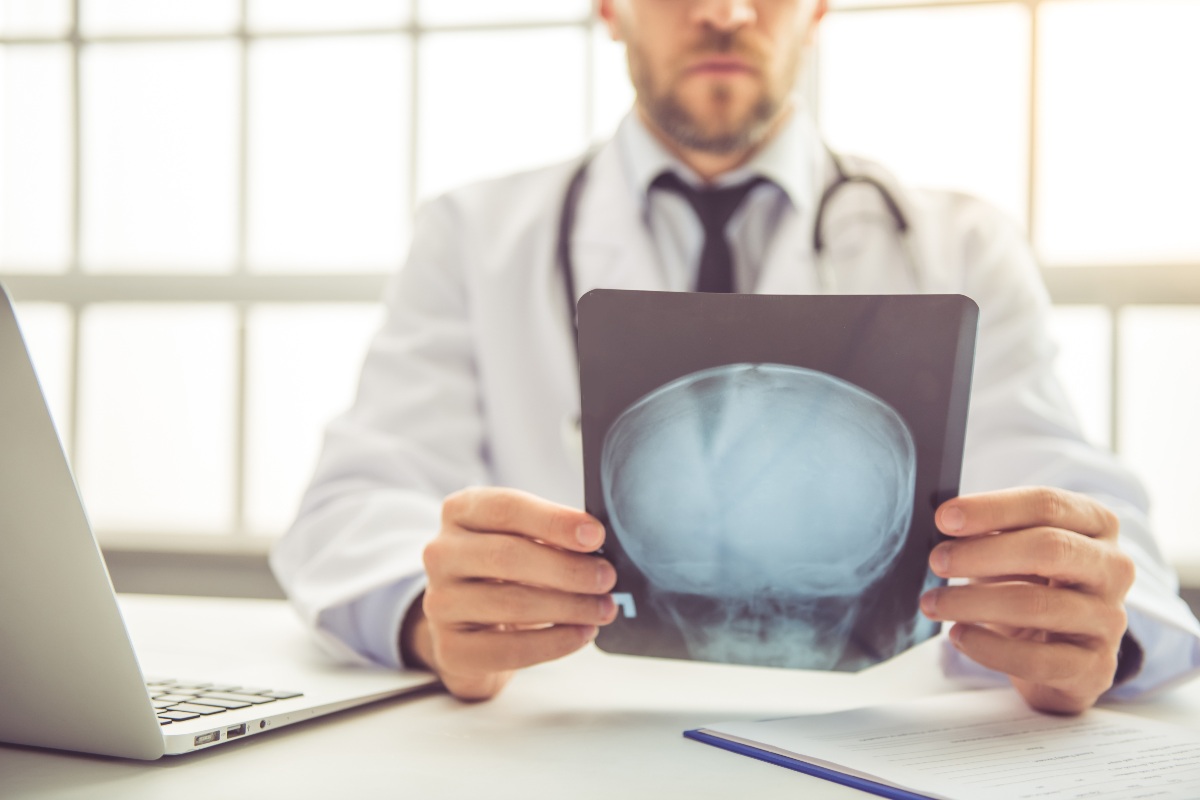
Here is a quick overview of concussions including symptoms to look for, the importance of medical treatment, and how to seek compensation for your injuries.

What are the symptoms of a concussion after a car accident?

Concussions are not always obvious, as there may not be any immediate symptoms. In fact, symptoms may not appear until a few days to a few weeks after the trauma or may never manifest at all. In cases where a concussion is apparent, immediate symptoms may include confusion, dizziness, blurred vision, slurred speech, nausea, head and neck pain, or fatigue. However, symptoms vary, and therefore, any behavior change or abnormal feeling after head trauma should be considered as a possible sign of a concussion and immediate medical attention is necessary.

How are car accident concussions treated?

Sometimes, a mild concussion can be treated with physical and mental rest while the individual symptoms, such as a headache, are treated separately with medication. However, in severe cases, rehabilitation or physical therapy may be necessary to help the brain recover from the concussion. Brain damage can result in lost connections, requiring the brain to re-learn important functions related to memory, speech, and performing simple tasks.

Should I seek medical treatment for a head injury?

A concussion is a traumatic brain injury. Even a mild concussion must be taken seriously, given immediate medical attention for proper diagnosis and treatment. Regardless of whether there are obvious symptoms, a medical evaluation should happen within a few days of the trauma even when emergency care is not warranted. Without proper diagnosis and treatment, concussions can result in ongoing complications including post-concussive syndrome and permanent brain damage.

Can I recover damages for a car accident concussion?

In addition to recovering your medical costs, you may also be entitled to lost wages and compensation for related pain and suffering. While the medical costs of treating a concussion can be significant, the impact to your life can also be substantial. This is why it is important to have an experienced personal injury attorney to advocate for you, so that you can recover the full financial compensation you deserve.

Contact Natasha Misra Law today to schedule a free consultation.
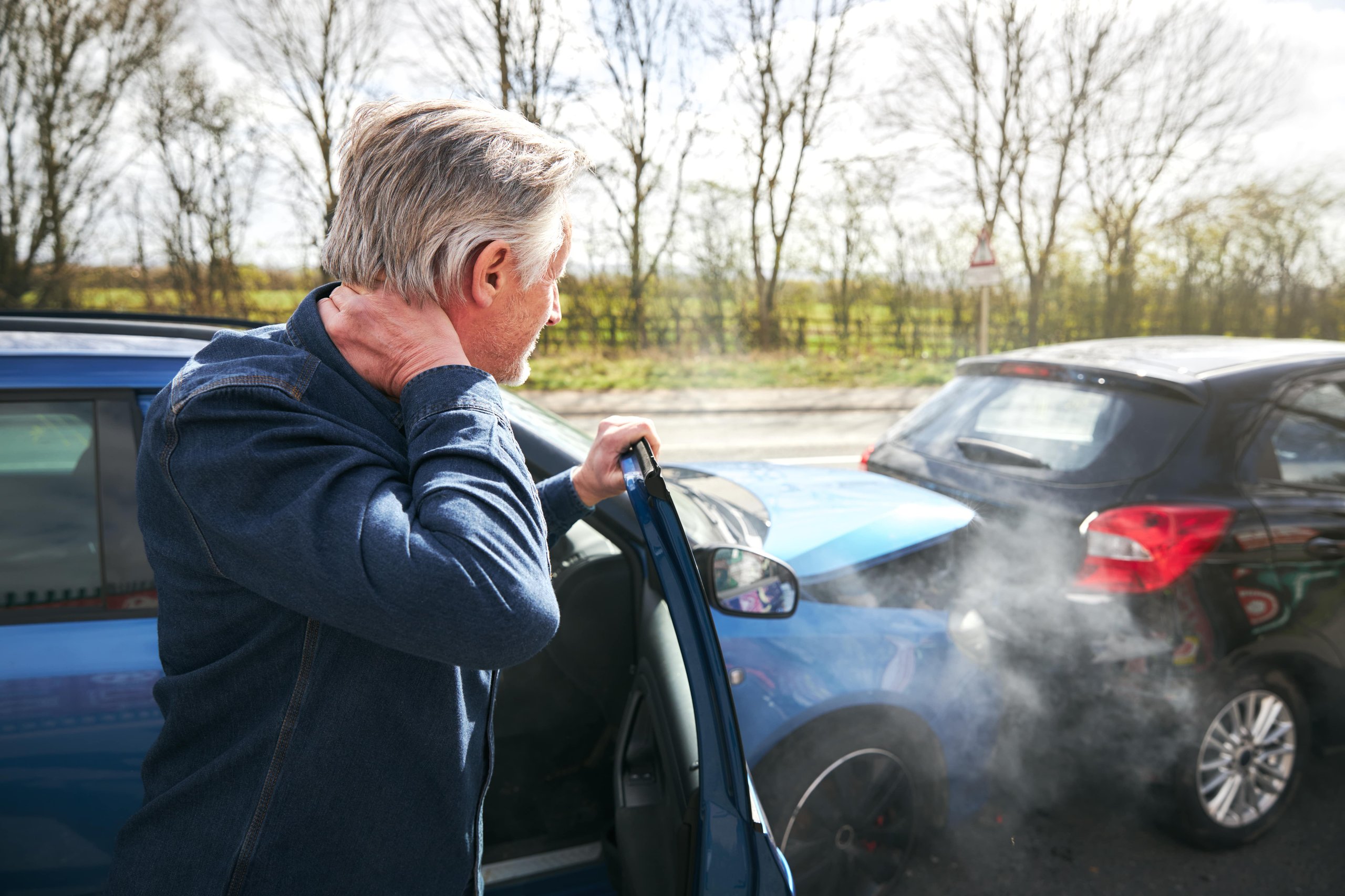
Natasha Misra

My law practice is dedicated to helping people who have suffered injuries in accidents which were not their fault. Born and raised in Milwaukee, I come from a family of medical professionals. My background and experience help me understand and represent individuals injured in accidents.