

If you weren’t wearing a helmet, you might be wondering whether that automatically puts you at fault or takes away your ability to file a claim. Insurance companies often lean into that assumption, but the law has a different take.
In Wisconsin, motorcycle helmets are strongly recommended for safety, but they are not legally required for riders who are 18 or older and properly licensed. Even if you were not wearing a helmet, you still have the right to pursue compensation if another driver caused the crash.
If you were injured while riding in Milwaukee, Madison, Appleton, or Green Bay, the focus of your claim is not whether you wore a helmet. It is whether another driver acted carelessly, failed to yield, was distracted, or otherwise caused the collision.
In Wisconsin, motorcycle helmet laws are limited. Riders and passengers under 18 and those riding with an instructional permit are required to wear helmets. For riders 18 and older with a valid license, helmets are optional.
That distinction matters. Choosing not to wear a helmet when you are legally allowed to do so is not, by itself, a violation of the law.
Yes. You can still file a motorcycle accident claim even if you were not wearing a helmet.
The most important question in any motorcycle case is what caused the crash, not what you were wearing. If another driver was speeding, distracted, failed to yield, or simply was not paying attention, you still have the right to pursue compensation for the harm they caused. That can include:
Helmet use does not change whether another driver acted negligently.
This is where things get more nuanced. Wisconsin follows a comparative negligence system. That means fault can be divided, and compensation can be reduced if someone’s actions contributed to their injuries.
In motorcycle cases, insurance companies sometimes argue that not wearing a helmet made injuries worse. For example:
In that situation, the argument is not that the rider caused the accident, but that they share some responsibility for the extent of their injuries. Even then, this does not automatically reduce compensation. It must be proven, and it is often disputed with medical and accident evidence.
Every case is different.
This is why these cases should not be decided by assumptions. They should be evaluated carefully, with facts, timing, medical records, and an understanding of how Wisconsin law is actually applied.
Motorcycle accident claims are already treated differently by insurance companies. When helmet use is added to the conversation, adjusters often push harder to minimize claims early on. At Natasha Misra Law, we focus on what truly matters:
Natasha stays personally involved in motorcycle injury cases, supported by a team with deep experience handling serious auto and motorcycle claims across Wisconsin. We take the time to explain your options clearly, answer your questions honestly, and push back when insurers oversimplify the law.
If you were injured in a motorcycle accident and were not wearing a helmet, do not assume you are out of options. You deserve to understand where you stand before an insurance company decides for you.
Contact us today to schedule a free consultation. Natasha Misra Law serves riders throughout Milwaukee, Madison, Appleton, and Green Bay.
We’re here to help you understand your rights and get back on your feet.
Experiencing a car accident can be a traumatic and overwhelming event, especially if you've been rear-ended. Understanding the proper steps to take after a rear-end collision is crucial. This guide will walk you through the essential actions you should consider, emphasizing the importance of seeking professional legal assistance from a Milwaukee car accident attorney to navigate the aftermath.
Immediately after a rear-end collision, prioritize your safety and the safety of others involved. If possible, move your vehicle to a safe location, turn on hazard lights, and check for injuries. If anyone is hurt, call emergency services immediately.
Contact the local police to report the accident and make sure an official report is filed. The accident report can serve as a crucial piece of evidence when dealing with insurance claims or legal matters. Depending on the severity of the accident, law enforcement may or may not come to the scene. If possible, it is preferred for law enforcement to respond to the scene to conduct an investigation of the accident. If law enforcement does not come to the scene, then you should self-report the accident at the police station or online.
Exchange information with the other party involved in the accident. Get their name, contact details, and insurance information, and note the make, model and license plate of their vehicle. During this process, be sure to not admit to anything to the other party as that could be used against you later. Gathering contact information will be crucial when filing a claim with insurance or if legal action becomes necessary.
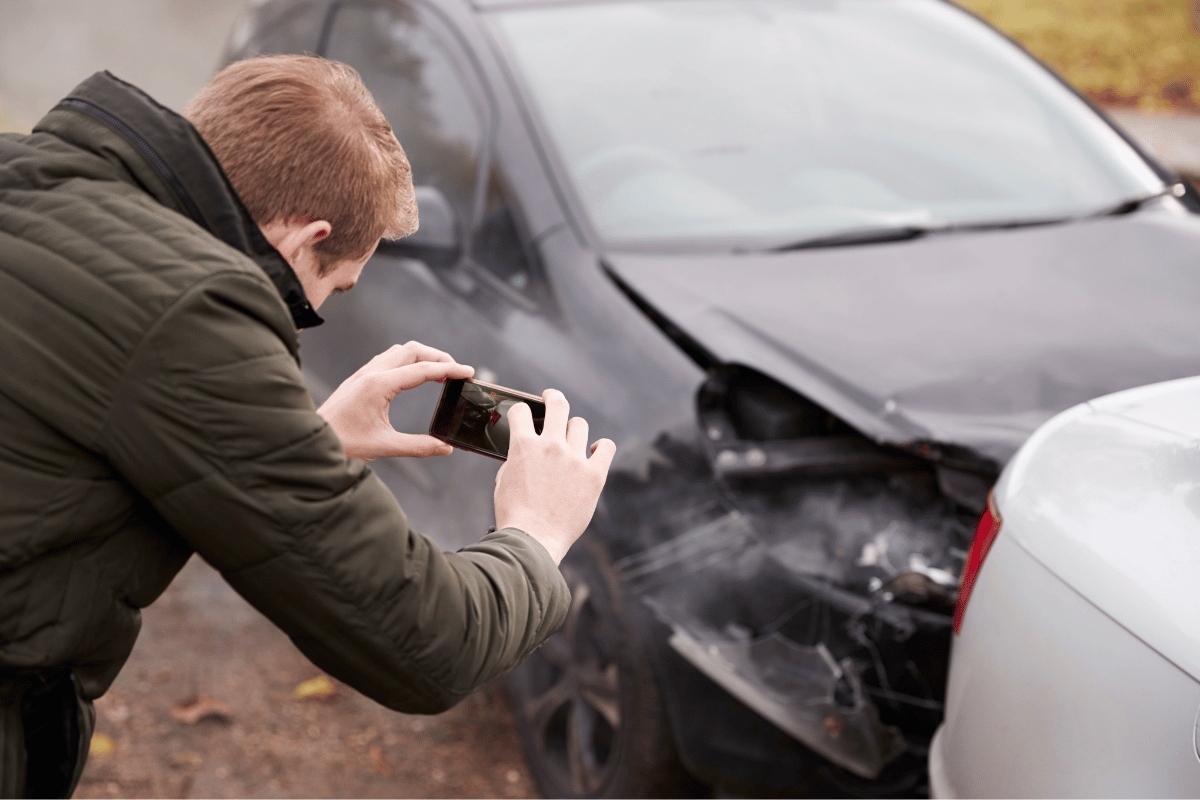
Take pictures of the accident scene, including all vehicles involved, any visible damage, and the surrounding area. Note the weather conditions, traffic signals, and any relevant road signs. These details can serve as valuable evidence later on. Also, obtain the name and contact information for any witnesses to the accident.
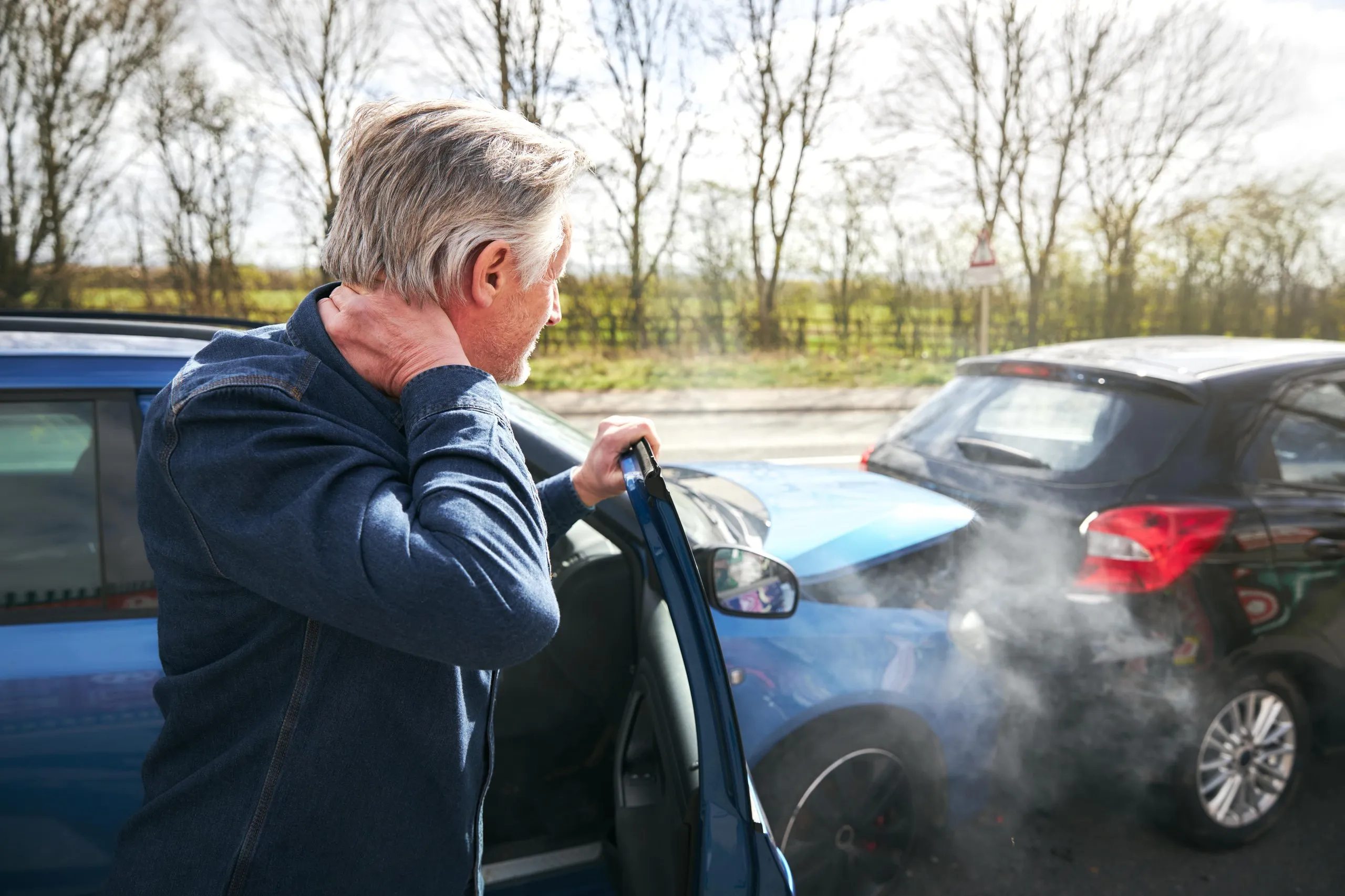
It’s important to seek medical attention at the onset of injury. Some injuries, such as whiplash, may not manifest symptoms until hours or days after the accident. Documenting your injuries will be important for both your health and any potential legal proceedings. Take photos of any bruising or visible injuries.
Navigating the legal complexities of a car accident case, especially if you've been rear-ended, can be challenging. A Milwaukee car accident attorney can help you by negotiating with insurance companies and getting you the compensation you deserve.
Being rear-ended in Milwaukee can lead to a range of challenges, but taking the right steps immediately following the accident can significantly impact the outcome of your case. Natasha Misra Law is your ally in securing compensation for any damages and navigating the complexities of the legal process.
My law practice is dedicated to helping people who have suffered injuries in accidents which were not their fault. Born and raised in Milwaukee, I come from a family of medical professionals. My background and experience help me understand and represent individuals injured in accidents.