

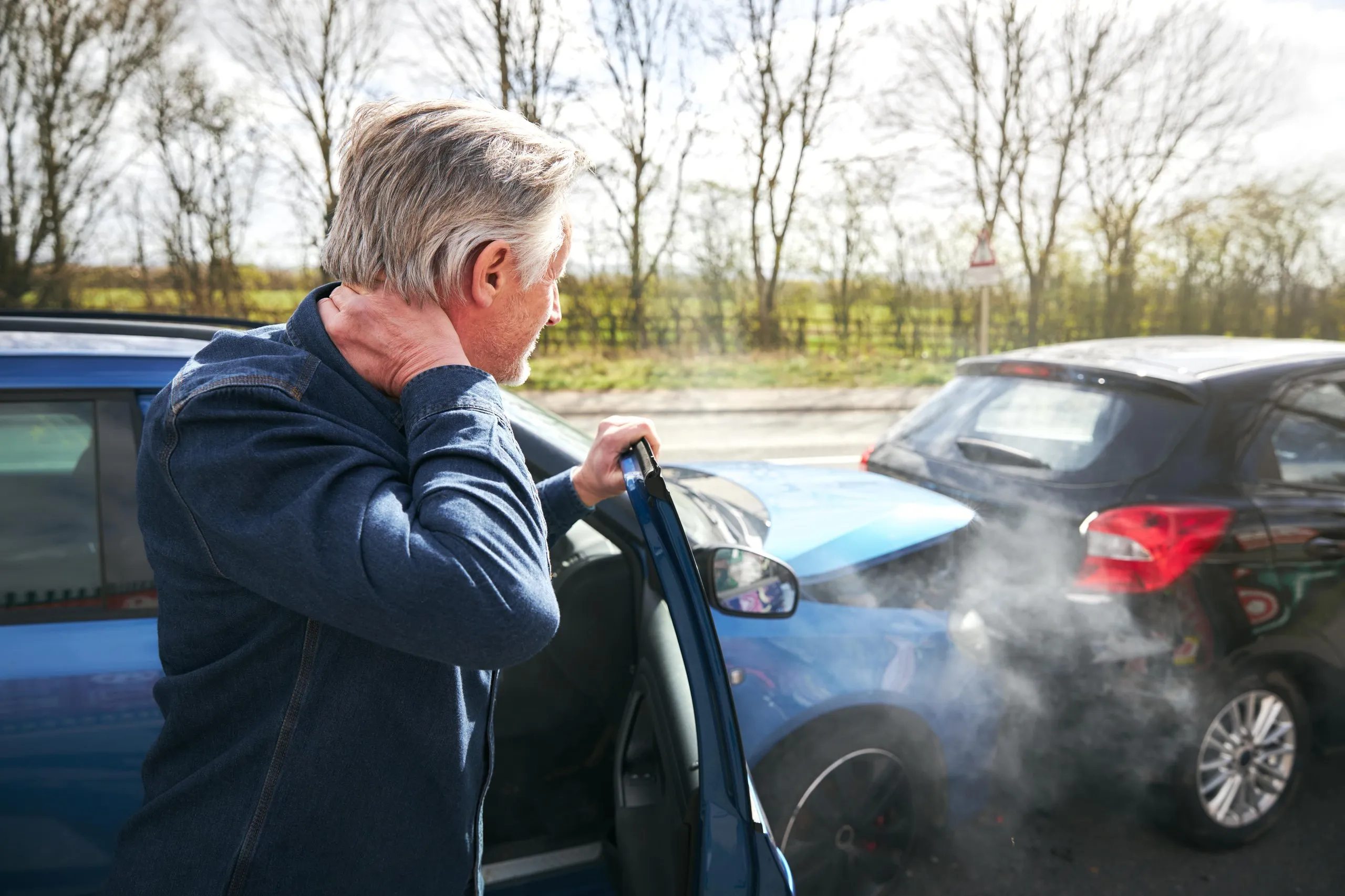
In a multi-car rear-end accident, more than one driver can be responsible. Wisconsin uses a comparative negligence system, which means fault is often shared based on each driver’s actions leading up to the crash.

If you were involved in a chain-reaction accident on I-94, Highway 100, or even a stop-and-go road in Milwaukee, you’ve probably already realized how quickly things become unclear. One moment turns into multiple impacts, multiple drivers, and multiple insurance companies, all trying to sort out what happened.

Understanding How Multi-Car Rear-End Accidents Happen

Most multi-car rear-end accidents start with a single event but do not stop there. Traffic slows, someone brakes suddenly, and the driver behind them does not react in time. That first impact can push vehicles forward and trigger a chain reaction.

In these situations, it is not always accurate to assume the last driver is entirely at fault.

How Fault Is Determined in Wisconsin

Wisconsin follows a comparative negligence system. Each driver can be assigned a percentage of fault based on their role in the accident. You can still recover compensation if you are 50% or less at fault, but your recovery is reduced by your percentage of responsibility.

So instead of asking who caused the accident, the real question becomes how much each driver contributed to what happened.

How Responsibility Is Often Split in WI

Every case depends on the facts, but there are common patterns. The first driver may be at fault if they created a sudden hazard. Middle drivers may share responsibility if they were following too closely or not paying attention. The last driver is often blamed for failing to stop, but not always entirely.

If you were stopped in traffic and pushed into another vehicle, your role may be minimal. If you were already too close before the impact, that can change your share of fault.

What Investigators and Insurance Companies Look At

To determine fault, investigators and insurance companies typically review:

  • Speed and braking patterns
  • Following distance between vehicles
  • Road and weather conditions
  • Statements from drivers and witnesses
  • Damage patterns on each vehicle

These details often shift how responsibility is assigned once everything is analyzed.

Why Evidence Matters More in Multi-Car Crashes

With multiple vehicles involved, the story can change quickly. What seems obvious at the scene may not hold up once all drivers give statements or insurers begin their investigations.

Photos, witness information, and police reports can all help clarify what actually happened and protect your position.

What People Often Miss After a Chain-Reaction Crash

Some people focus only on their vehicle. Others feel pressure when insurance companies start calling right away.

But these cases are often about more than the initial damage. Medical treatment, time off work, and symptoms that develop later tend to become the bigger issues over time. What feels manageable in the moment can become more complicated weeks later.

How Natasha Misra Law Helps in These Cases

At Natasha Misra Law, handling car, truck, and motorcycle accident cases is the core of the practice, not something occasional.

Clients get both direct attorney involvement and the support of a full team. That includes help managing the injury claim, handling vehicle damage issues, and guiding clients through treatment and next steps. Communication is also a priority, with Spanish-speaking staff and access to interpreters for nearly any language, including Burmese and Rohingya.

Get an Accident Lawyer Who’s Ready to Help You Get Your Life Back

If you were involved in a multi-car rear-end accident in Milwaukee, it is normal not to have clear answers right away.

What matters is understanding your role in the accident and making sure your side is fully represented.

Reach out to Natasha Misra Law for a free consultation. You can start with a phone call, meet in person, or handle things remotely. The goal is simple: help you recover and get back on your feet with the support you need.

As a motorcyclist, you’re exposed to multiple dangers while on the road. One significant challenge to your safety is other motorists. You do not necessarily have to be involved in a collision with a vehicle or another road user to suffer injuries. When you suffer injuries without contact with another vehicle, you might not be sure who should be held responsible for the accident. Fortunately, the law allows you to make a claim against the person who caused the accident and recover compensation for your injuries.

The events after the non-contact collision can adversely affect your case, so here’s what to do after the accident:

Identify The At Fault Party

If you have been involved in a no-contact accident, you should first identify the driver’s vehicle license number. Noting the vehicle’s license plate makes it easier for you to make a police report. However, this may be impossible, particularly if you’re in a critical condition.

File a Police Report

It’s essential to report to the police whether or not you captured the vehicle’s license plate. The at fault driver is most likely not going to admit fault even after filing the police report. Police will investigate the scene of the accident and provide a written report of what they observe.

The Value of Witnesses in No-contact Motorcycle Accidents

A no-contact accident may be challenging to prove, especially when the at fault driver’s vehicle suffered no damage from a collision. Witnesses can help you prove that an accident happened and identify the driver responsible for the accident. A witness could be a pedestrian, a passenger, or another motorist who was not involved in the accident.

What If The Driver Leaves The Scene Of The Accident?

If you fail to identify the at-fault driver or gather witnesses, you might need to contact your insurance company and file for an uninsured motorist claim. It’s essential to understand that the insurance company may try to minimize the amount of compensation or argue that you were at fault. Therefore, you need to seek the help of a Milwaukee motorcycle accident attorney to help you gather witnesses and offer assistance with the insurance negotiations.

Contact a Milwaukee Motorcycle Accident Now for Help

No-contact accidents can be more complex than typical collision accidents, especially when the at fault driver flees the scene of the accident. If you have been involved in a no-contact motorcycle accident, you need to contact a motorcycle accident lawyer. At Natasha Misra Law, we have helped other riders recover compensation from no-contact motorcycle accident cases.

Our attorneys have a wealth of experience and adequately understand the jurisdiction’s car accident laws. We will guide you through every step, from filing an insurance claim to the negotiations. Contact us online or give us a call at 414-635-2833 to schedule a consultation with our lead attorney, Natasha Misra.
Natasha Misra

My law practice is dedicated to helping people who have suffered injuries in accidents which were not their fault. Born and raised in Milwaukee, I come from a family of medical professionals. My background and experience help me understand and represent individuals injured in accidents.