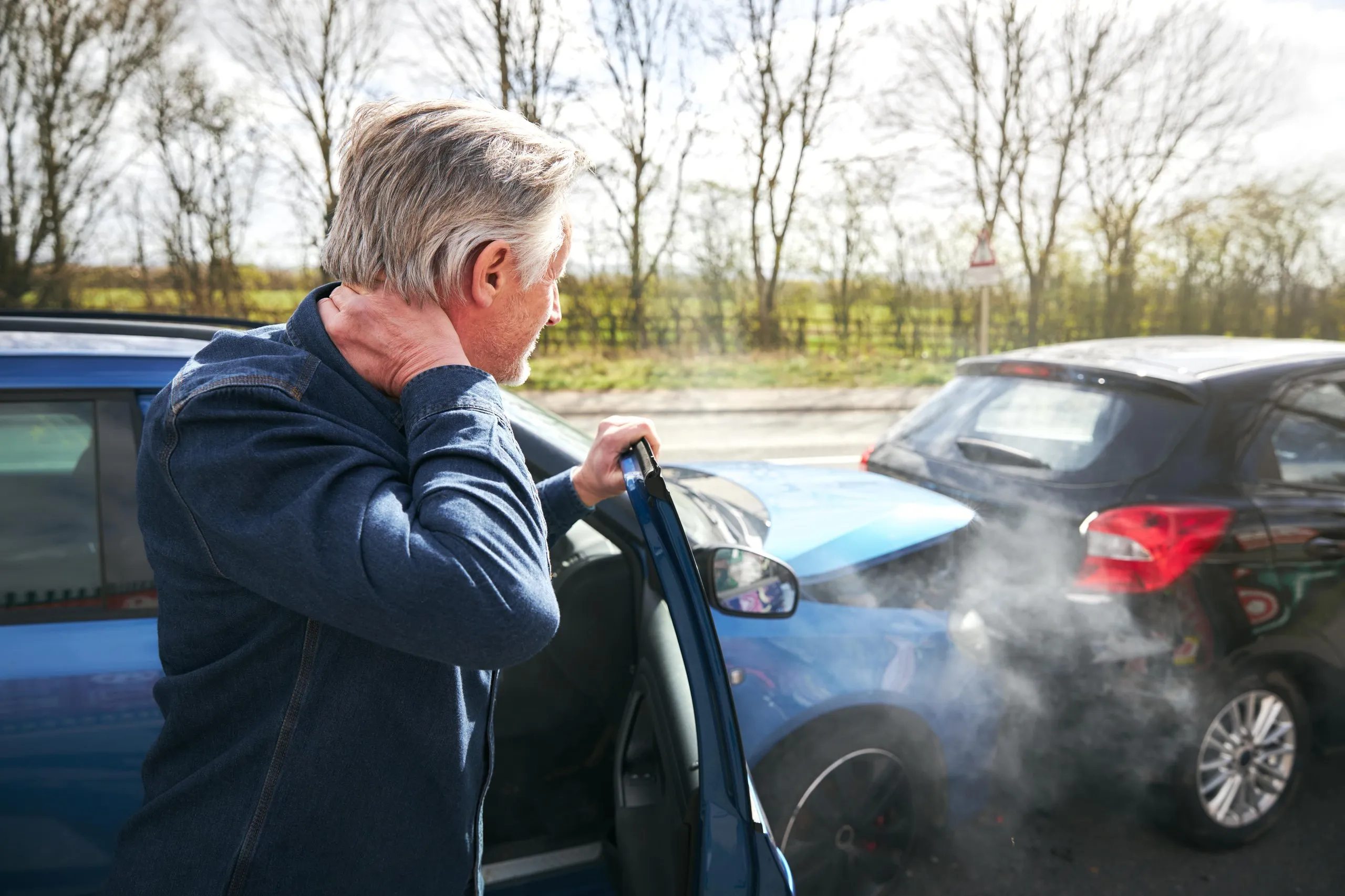
If you were injured in a motorcycle accident in Milwaukee, Madison, Appleton, Green Bay, or anywhere in Wisconsin, Natasha Misra Law can help you understand your options.
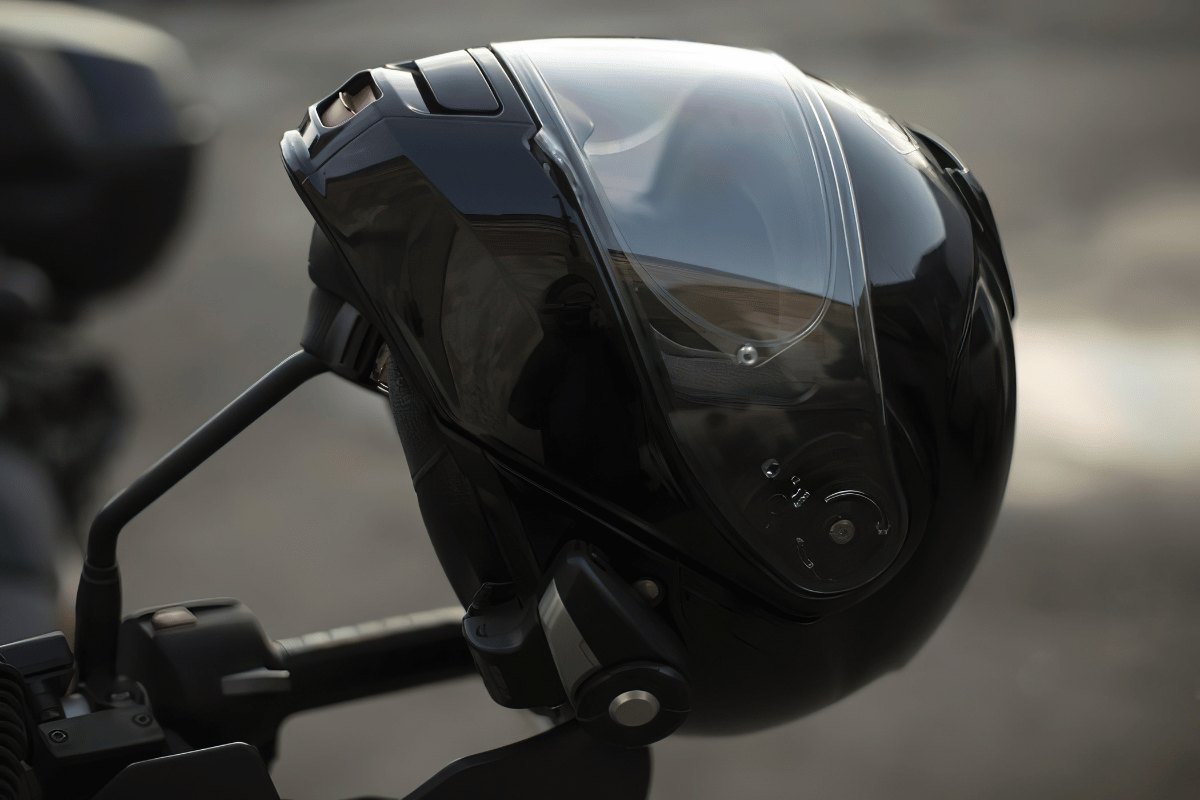
If you ride a motorcycle in Wisconsin, you may already know that helmets are not required for every adult rider. However, that does not mean helmets never matter in a motorcycle accident case.
Maybe you were riding through Milwaukee, heading toward Madison, or taking a longer ride near Appleton or Green Bay when a driver failed to see you. Now you’re hurt, your bike is damaged, and the insurance company is asking questions about whether you were wearing a helmet.
It can feel unfair, especially if the crash was not your fault. Still, helmet use may come up in a motorcycle injury claim, particularly when head, face, neck, or brain injuries are involved.
At Natasha Misra Law, we help injured motorcycle riders understand what matters, what does not, and how to deal with the insurance company after a crash.
Wisconsin requires helmets for motorcycle operators and passengers under 18. Helmets are also required for motorcycle operators with instructional permits and their passengers. Adult riders with regular motorcycle licenses are generally not required to wear helmets, but all motorcycle operators must wear approved eye protection, such as a face shield, glasses, or goggles.
That means Wisconsin is not a universal helmet law state. Some riders are legally required to wear a helmet. Others are not.
It can, depending on the injuries involved.
If another driver caused the crash, they may still be responsible for the harm they caused. Not wearing a helmet does not automatically mean you lose your case.
For example, if a driver turns left in front of a motorcyclist near Highway 100 and Grange Avenue, the main question may be whether the driver failed to yield. If the rider suffered a broken leg, road rash, or a shoulder injury, helmet use may have little to do with those injuries.
But if the rider suffered a traumatic brain injury, facial injury, or head trauma, the insurance company may focus heavily on whether a helmet was worn. That is why it is important to have a lawyer who can push back when the insurance company tries to shift blame away from the driver who caused the crash.
Wisconsin law requires motorcycle operators to wear eye protection while operating on a highway. Acceptable protection can include a face shield attached to a helmet, glasses, or goggles.
This requirement matters because visibility is such a major part of motorcycle safety. Wind, dust, bugs, rain, and road debris can all affect a rider’s ability to react quickly. If a crash happens, the insurance company may look for any argument it can use, including whether the rider followed equipment laws.
Motorcycle riders often suffer serious injuries because they do not have the same protection as people inside a car or truck. A rider may be dealing with:
Motorcycle accident cases are not just about proving that a crash happened. They are about showing how the crash changed your life.
Natasha Misra Law helps clients deal with the injury claim, the insurance company, and the vehicle damage side of the case. That includes helping with repairs, total loss issues, towing, storage, and rental vehicle concerns when coverage allows. For many clients, that practical help matters right away.
Natasha also understands that riders are sometimes judged unfairly. Insurance companies may try to make assumptions about speed, safety, or helmet use instead of focusing on what the other driver did wrong. The firm works to keep the case focused on the facts.
If you were injured in a motorcycle accident in Milwaukee, Madison, Appleton, Green Bay, or anywhere in Wisconsin, Natasha Misra Law can help you understand your options.
You do not pay unless we win. Contact Natasha Misra Law today for a free consultation with a motorcycle accident lawyer who’s Not Just Another Suit®.