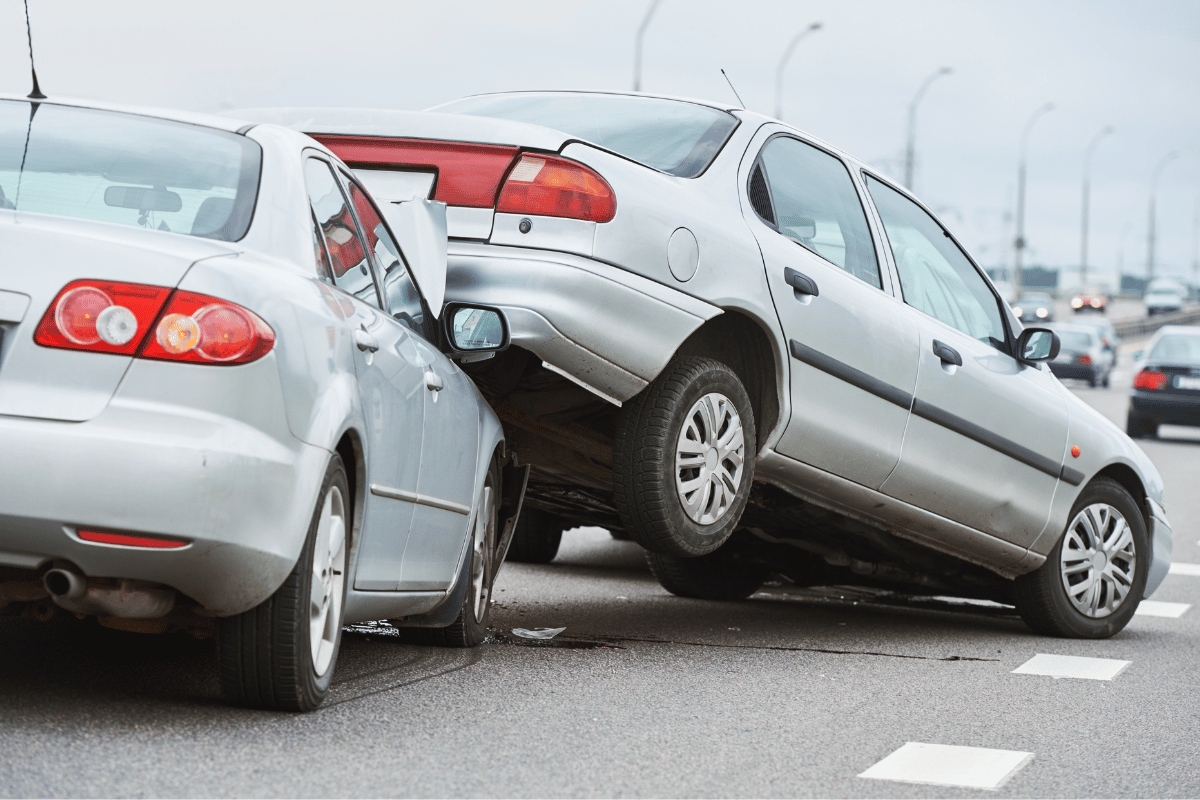
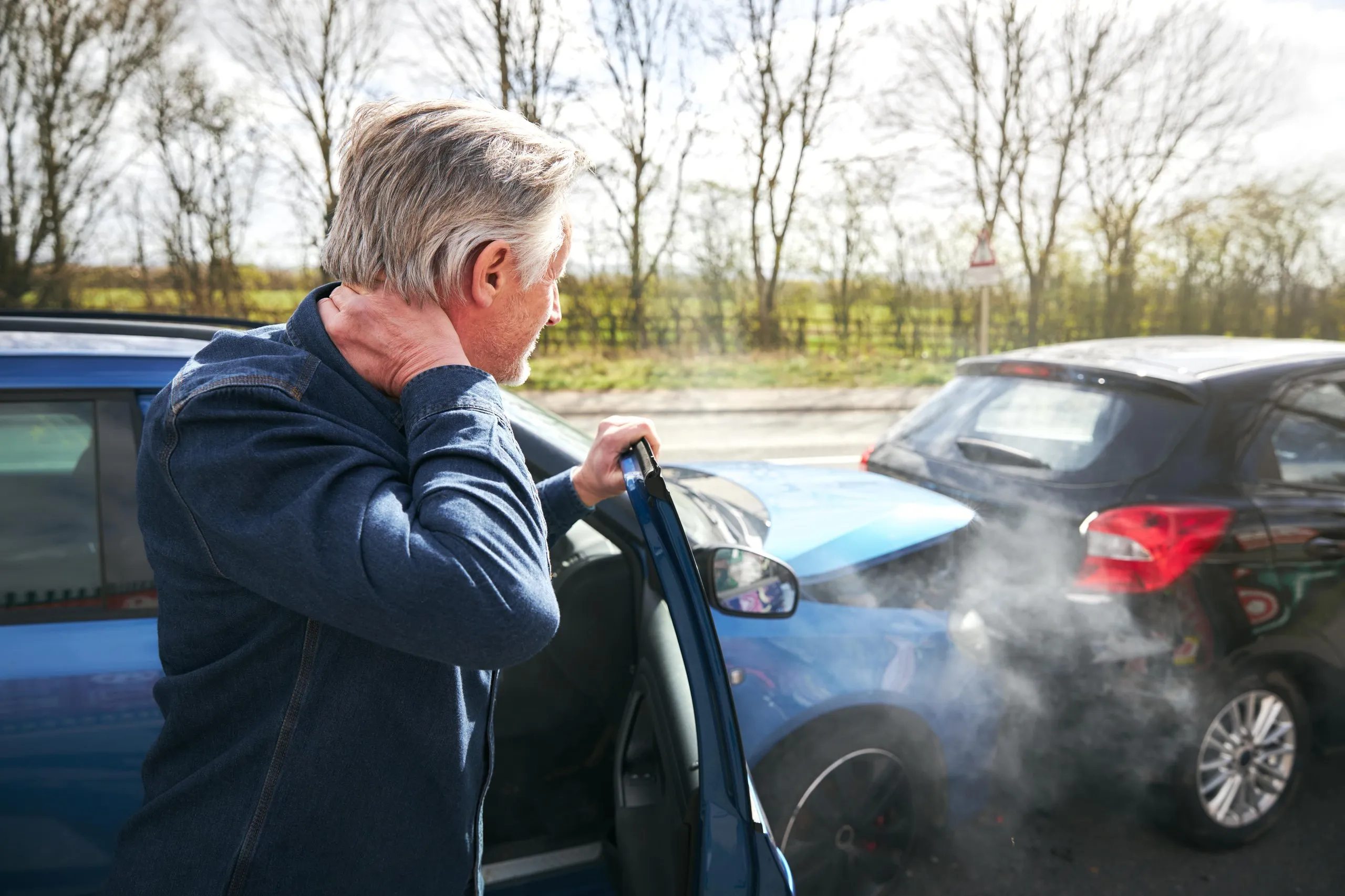
Understanding the primary causes of head-on collisions is important in ensuring your safety on the road. By understanding the root causes of these accidents, you can do your best to stay safe on the road and recognize potentially hazardous driving situations.
While most of us take as many precautions as we can when we get behind the wheel, accidents can still happen. Being involved in an accident, especially a head-on collision can be scary, but with the right legal help, you can get the compensation you need to recover.
Why Do Head-On Car Collisions Happen?
Head-on collisions most commonly occur due to the following reasons:
- Distracted Driving: When drivers divert their attention from the road when texting, eating, adjusting the radio, or engaging in any other distraction, it increases the risk of drifting into oncoming traffic.
- Driving Under the Influence: Operating a vehicle under the influence of drugs or alcohol can impair judgment, coordination, and reaction time, leading to head-on collisions.
- Fatigue: Fatigued drivers can experience reduced concentration and drowsiness, causing them to veer into opposing traffic lanes.
- Improper or Reckless Passing: Drivers attempting to pass other vehicles without proper visibility or in prohibited areas may collide head-on with oncoming traffic.
- Incorrect Lane Changes: Misjudging the distance and speed of approaching vehicles can lead to head-on collisions.
What are Common Injuries from Head-On Collisions?
Head-on collisions often result in severe injuries due to the high impact involved. Common injuries include:
- Traumatic Brain Injuries (TBIs): The force of a head-on collision can cause head trauma, leading to concussions, contusions, or more severe TBIs.
- Spinal Cord Injuries: The sudden impact can cause damage to the spinal cord, resulting in paralysis or long-term disability.
- Bone Fractures: Collisions can cause fractures in various bones, including the arms, legs, ribs, and pelvis.
- Internal Injuries: The forceful impact can damage internal organs, leading to internal bleeding or organ failure.
What to Do After a Head-On Collision?
If you find yourself involved in a head-on collision, you should:
- Seek Medical Attention: Even if you do not feel injured, medical evaluation is crucial as some injuries may not be immediately apparent.
- Contact Law Enforcement: Report the accident to the appropriate authorities, who will document the incident and create an official report.
- Gather Information: Collect the contact and insurance details of the other driver(s) involved and any witnesses at the scene.
- Preserve Evidence: Take photos or videos of the accident scene, vehicle damage, and any visible injuries.
Contact Natasha Misra Law Today for Help:
Distracted driving, fatigue, and improper lane changes can lead to head-on collisions. Ensuring you’ve gotten enough sleep and are not distracted at the wheel can lessen your chances of being involved in a crash.
Consult a Milwaukee car accident lawyer if you have been injured in a head-on collision. At Natasha Misra Law, we are dedicated to advocating for your rights and helping you seek rightful compensation after an accident. Contact us today to determine if you have a valid personal injury case.