
Collision and comprehensive coverages can pay for the repair of your vehicle or the value of your vehicle regardless of who is at fault.
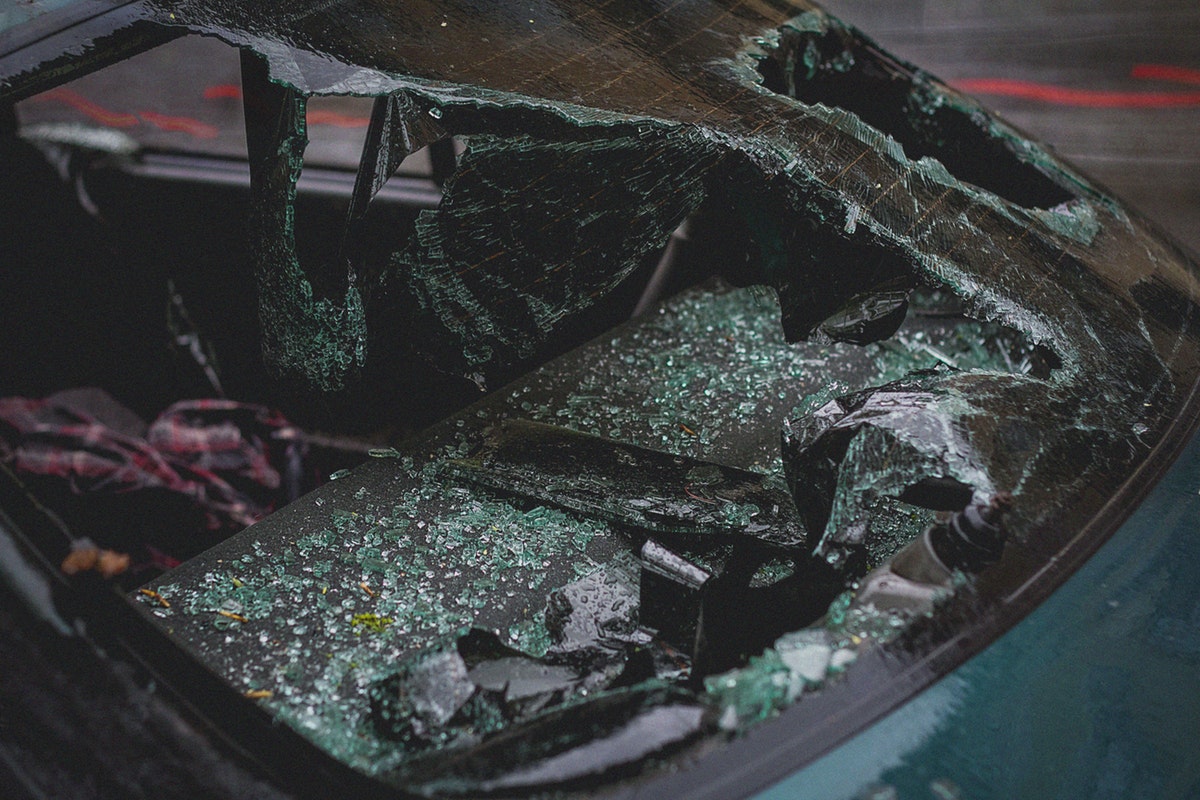
Collision and comprehensive coverages are optional forms of insurance coverage that you may purchase under your auto insurance policy to compensate you for damage to your vehicle. Collision and comprehensive coverages can pay for the repair of your vehicle or the value of your vehicle regardless of who is at fault.
This blog discusses the benefits of collision and comprehensive insurance coverages.
If you have collision coverage, your auto insurance company will pay for damage to your vehicle if your vehicle collides with another vehicle or a hit-and-run vehicle. Your auto insurance company will pay for the damage to your vehicle even if you are at fault for the accident.
When Should I Buy or Drop Collision Coverage?
The amount you pay for collision coverage depends on the year, make and model of your car. Before you buy or drop collision coverage, you should look at the current value of your car as well as your ability to buy a similar car in the event that your car is totaled. If you own your car and can afford to replace your car on your own, you may decide not to purchase collision coverage.
What Is Comprehensive Coverage?
Comprehensive coverage pays for vehicle damage caused by covered events such as theft, vandalism, hail and flood damage. It also pays for damage to your vehicle as a result of striking an animal such as a deer.
Generally, if repairs exceed the value of your vehicle, your vehicle will likely be deemed a total loss. In order to receive payment for the total loss of your vehicle, you will need to use one of the following forms of auto coverage:
Collision Coverage will pay for damages as a result of a collision with another vehicle or object.
Comprehensive Coverage will pay for damages if your vehicle is stolen, vandalized or if you hit an animal, such as a deer.
Property Damage Liability Coverage allows you to receive compensation for your vehicle from the at fault party’s auto insurance policy.
A deductible is the amount of money you will be required to pay for damage to your car before your insurance company pays. The deductible for comprehensive coverage or collision coverage is applied to each accident or incident. For example, if you are in a car accident in the morning (collision coverage) and your car is stolen later that night (comprehensive coverage), then your insurance company will apply two different deductibles.
The higher the deductible means the lower the premiums. If you can afford the risk of a higher deductible, this can lower your insurance premiums.
If you have questions about your collision or comprehensive coverage after an accident, you should discuss your options with an experienced Milwaukee car accident lawyer. When Natasha Misra Law represents you for your injury claim, we also help you at no additional cost with the issue of repairing or replacing your vehicle to the full extent permitted by insurance coverage and the law. If you have been in an accident, you should not have to bear the economic burden. Together, we will look at the facts of your case and uncover all potential sources of recovery.
Call our office today at (414) 635-2833 to speak with a Milwaukee personal injury attorney.