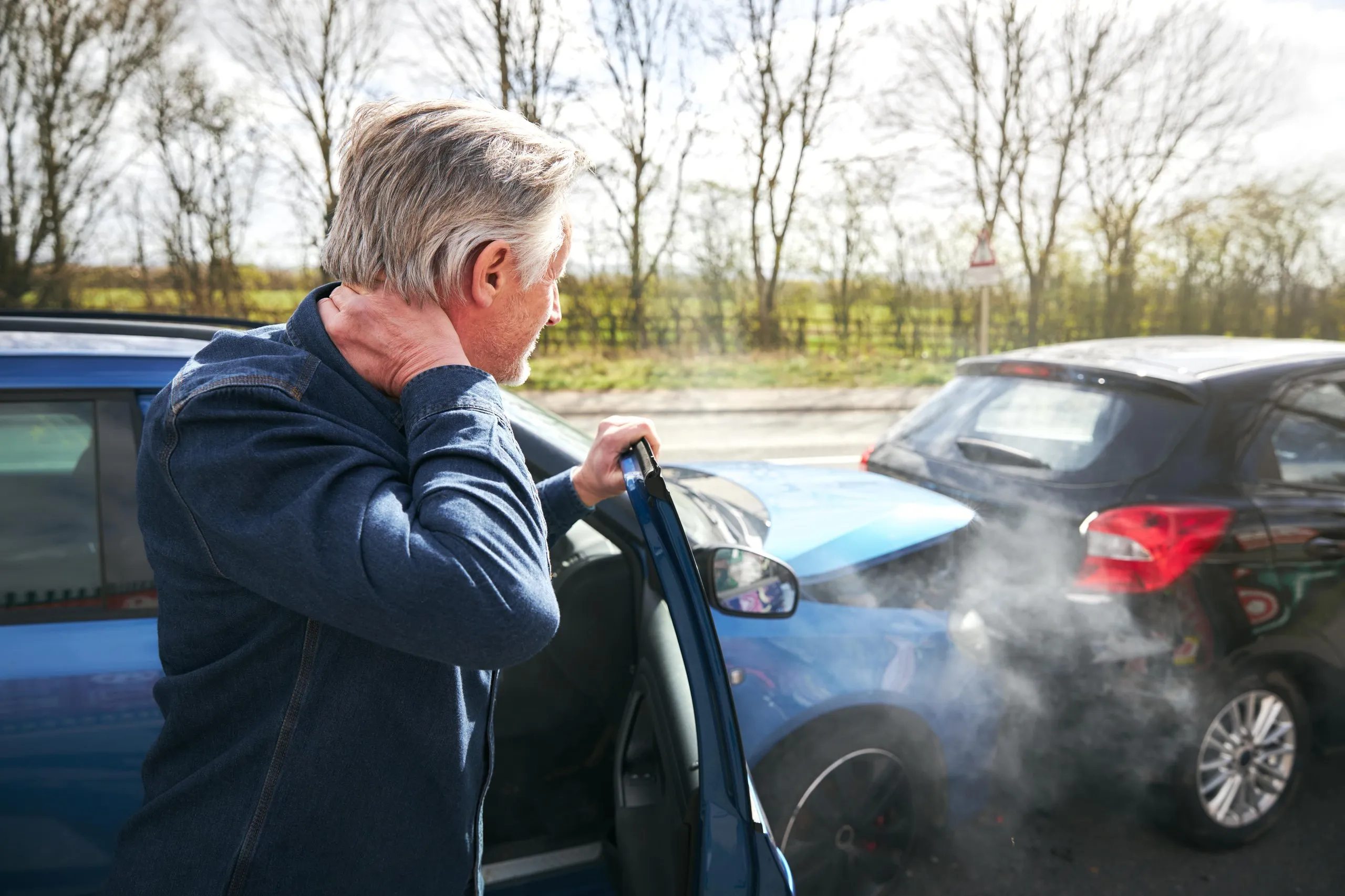
In a head-on collision, the fault question may seem fairly straightforward - but is it really?
After an accident, one of the most pressing questions you may ask yourself if there is “Whose fault was it?” In a head-on collision, the fault question may seem fairly straightforward - but is it really? In this blog post, we discuss the basics of head-on collisions from a legal perspective.
Head-on collisions are particularly dangerous. They can result in severe injuries, even at low rates of speed. At the very least, the impact may result in whiplash from the driver or passengers being thrust forward suddenly. Injuries may range from broken facial bones to broken ribs and even traumatic brain injuries, internal bleeding, or even death when the impact results in occupants being ejected from the vehicle.
Fault may seem obvious: the driver going the wrong direction is at fault, right? However, it is not always that easy. Many factors can impact liability in a head-on collision. This is why the police report and a proper investigation are so important. Sometimes, there are even third parties at fault like when a roadway is defective or a vehicle malfunctions.
The insurance carrier may try to attribute comparative fault on you, which may affect the damages you can recover. Natasha Misra Law will investigate your accident, uncover all potential sources of recovery, and help you maximize compensation for your injuries.
Many head-on collisions occur on two-way roads without dividers or on rural roads. A driver may cause a head-on collision from simply drifting into oncoming traffic or a driver may intentionally drive in the wrong lane while trying to pass a slower vehicle.
Anytime you are involved in an accident, it is advisable to contact emergency services, especially if someone appears to have been seriously injured. Additionally, it is important to contact the police to secure an accident report. This documentation will be vital for related insurance claims or litigation.
Your lawyer will likely ask you if you exchanged information with the other driver and anyone else involved in the accident. As such, it is wise to take note of the make and model of the cars involved, tag numbers, and driver’s license numbers. If there are witnesses, take down their information, too.
Though the reporting officer or insurance adjuster may take pictures as part of an accident report or investigation, you should take pictures of vehicle damage and the accident scene to document anything pertinent to establishing the cause and liability for the accident.
You may be entitled to recover medical expenses, lost wages or income, and compensation for pain and suffering. Sometimes, you can even recover punitive damages which are awarded by the court to punish the responsible party for causing the accident.
Under Wisconsin law, you have a limited time from the date of the accident to file a lawsuit before the claim is barred under the statute of limitations. As such, if you have been injured in an accident, contact an experienced car accident attorney as soon as possible.