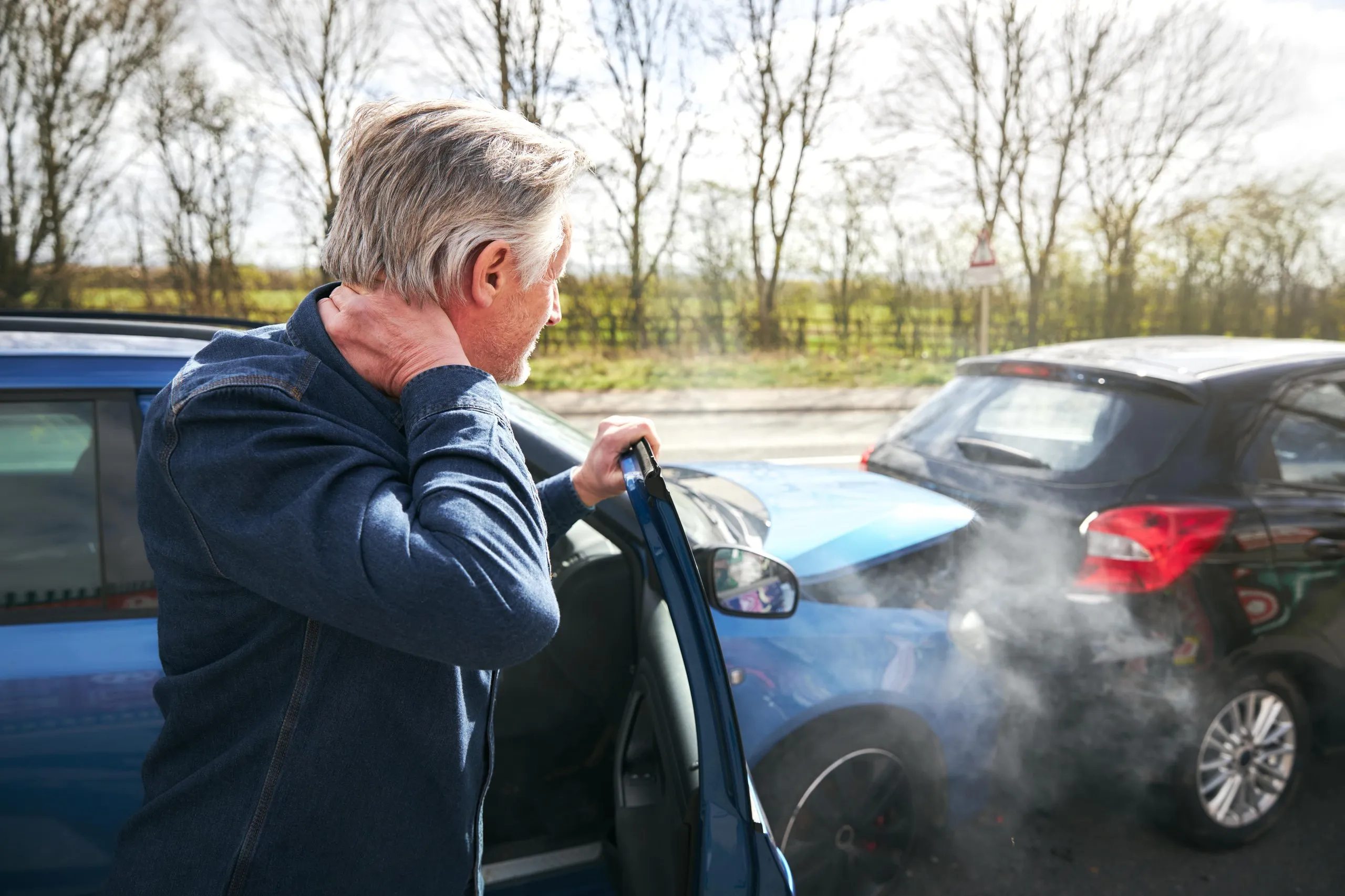
If you’ve been in an accident that wasn’t your fault in Green Bay, Milwaukee, Appleton or Fond du Lac you probably have some questions about your legal options.
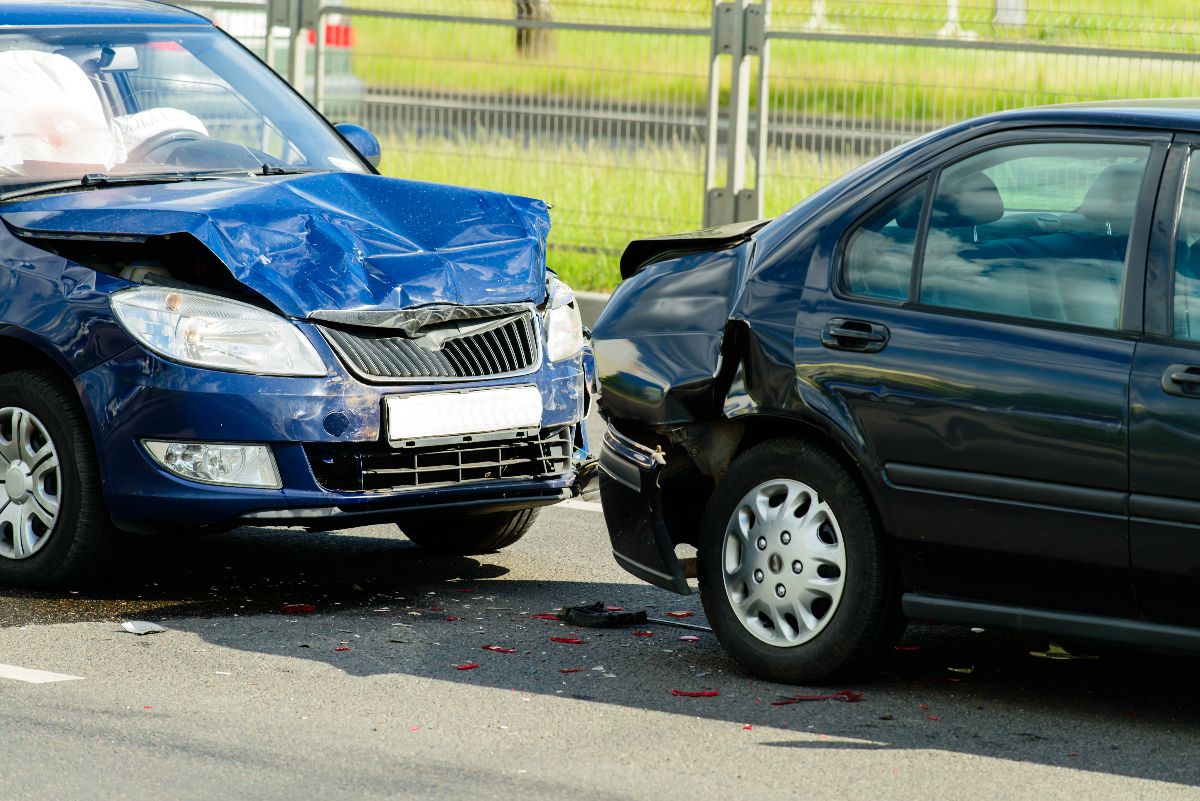
If you’ve been in an accident that wasn’t your fault in Green Bay, Milwaukee, Appleton or Fond du Lac you probably have some questions about your legal options. What happens if the other driver didn’t get a ticket? How does that affect my motor vehicle accident case?
You’ll be glad to know that a ticket at the scene doesn't necessarily determine liability, and you can still make a case. If you’re thinking about a car accident injury claim in Wisconsin, Natasha Misra Law is here to help you make informed decisions - because helping people with their accident cases is our calling. Let’s look at some of the ins and outs of accident cases, and how a ticket can affect them.
In Wisconsin, liability in car accident cases is determined by negligence, which includes proving the other party’s failure to exercise reasonable care to prevent harm to others which is also referred to as a breach of duty. The presence or absence of a traffic ticket does not necessarily directly correlate with this breach of duty. In other words, even if the at-fault party didn't receive a citation at the accident scene, it doesn't absolve them of responsibility. Let’s break down the basics of a car accident case:
Duty of Care: This refers to the legal obligation each person has to exercise ordinary care under similar circumstances to avoid creating unreasonable risk of injury to others. In the context of driving, it means following traffic laws, maintaining control of the vehicle, and driving safely.
Breach of Duty: If a driver fails to uphold their duty of care, they may be considered negligent. This could include actions such as speeding, running a red light, driving under the influence, or any other behavior that deviates from what a reasonable person would do in similar circumstances - importantly this does not have to include a ticket-able offense.
Causation: The plaintiff must demonstrate that the defendant's breach of duty caused the injuries in question. This can sometimes be straightforward, such as in cases where one car rear-ends another, but in other instances, it may be more complex to establish a clear causal link.
Damages: Finally, the plaintiff must show that they suffered actual harm or damages as a result of the accident. This can include medical expenses, lost wages, property damage, pain and suffering, and other losses incurred due to the injury.
Car accident cases involve a thorough analysis of many kinds of evidence including, but not limited to:
Traffic Laws: Violating traffic laws can be evidence of negligence, but not receiving a ticket doesn't mean the at-fault party behaved lawfully.
Police Reports: Police reports are valuable in documenting the details of the accident, but they are not the sole determinant of liability.
Eyewitness Testimony: Witness statements can provide crucial insight into the circumstances of the accident and help establish fault.
Whether you’re in the Appleton area, down by Sheboygan, or up in Green Bay, a skilled car accident attorney can help you start your case with confidence. At Natasha Misra Law, we have a proven track record of helping accident victims seek justice and fair compensation
As Milwaukee personal injury attorneys, it is my mission to ensure that you are treated fairly and receive the financial compensation you deserve. My team works with clients from all over Wisconsin, and we are determined to obtain the best financial awards and settlements for you. - Natasha Misra
If they didn’t get a citation at the scene, it doesn't mean you can't pursue a personal injury case. Our experienced legal team will thoroughly investigate your case, gather evidence, and build a strong argument to support your claim. Your rights matter, and we are here to fight for you. Contact Natasha Misra Law today and let us help you get the justice and compensation you deserve.