

If you weren’t wearing a helmet, you might be wondering whether that automatically puts you at fault or takes away your ability to file a claim. Insurance companies often lean into that assumption, but the law has a different take. 

In Wisconsin, motorcycle helmets are strongly recommended for safety, but they are not legally required for riders who are 18 or older and properly licensed. Even if you were not wearing a helmet, you still have the right to pursue compensation if another driver caused the crash.

If you were injured while riding in Milwaukee, Madison, Appleton, or Green Bay, the focus of your claim is not whether you wore a helmet. It is whether another driver acted carelessly, failed to yield, was distracted, or otherwise caused the collision.

What Wisconsin Law Actually Says About Helmets

In Wisconsin, motorcycle helmet laws are limited. Riders and passengers under 18 and those riding with an instructional permit are required to wear helmets. For riders 18 and older with a valid license, helmets are optional.

That distinction matters. Choosing not to wear a helmet when you are legally allowed to do so is not, by itself, a violation of the law.

Can You Still File a Claim If You Were Not Wearing a Helmet?

Yes. You can still file a motorcycle accident claim even if you were not wearing a helmet.

The most important question in any motorcycle case is what caused the crash, not what you were wearing. If another driver was speeding, distracted, failed to yield, or simply was not paying attention, you still have the right to pursue compensation for the harm they caused. That can include:

  • Medical bills
  • Lost income
  • Damage to your motorcycle
  • Pain and physical limitations
  • Long-term effects on your daily life

Helmet use does not change whether another driver acted negligently.

How Helmet Use May Come Up in a Claim

This is where things get more nuanced. Wisconsin follows a comparative negligence system. That means fault can be divided, and compensation can be reduced if someone’s actions contributed to their injuries.

In motorcycle cases, insurance companies sometimes argue that not wearing a helmet made injuries worse. For example:

  • A rider is struck by a car that turned left in front of them in Milwaukee.
  • The driver clearly caused the crash.
  • The insurer then argues that a helmet might have reduced the extent of the head injury.

In that situation, the argument is not that the rider caused the accident, but that they share some responsibility for the extent of their injuries. Even then, this does not automatically reduce compensation. It must be proven, and it is often disputed with medical and accident evidence.

What This Means in Real Life

Every case is different.

  • If your injuries did not involve your head, helmet use may be irrelevant.
  • If the crash was severe, a helmet may not have changed the outcome.
  • If the other driver’s conduct was especially dangerous, that remains the central issue.

This is why these cases should not be decided by assumptions. They should be evaluated carefully, with facts, timing, medical records, and an understanding of how Wisconsin law is actually applied.

Why Legal Guidance Matters After a Wisconsin Motorcycle Accident

Motorcycle accident claims are already treated differently by insurance companies. When helmet use is added to the conversation, adjusters often push harder to minimize claims early on. At Natasha Misra Law, we focus on what truly matters:

  • Who caused the crash
  • How it happened
  • What injuries resulted
  • How your life has been affected

Natasha stays personally involved in motorcycle injury cases, supported by a team with deep experience handling serious auto and motorcycle claims across Wisconsin. We take the time to explain your options clearly, answer your questions honestly, and push back when insurers oversimplify the law.

Talk to a Wisconsin Motorcycle Accident Lawyer Who Will Give You Straight Answers and Real Support

If you were injured in a motorcycle accident and were not wearing a helmet, do not assume you are out of options. You deserve to understand where you stand before an insurance company decides for you.

Contact us today to schedule a free consultation. Natasha Misra Law serves riders throughout Milwaukee, Madison, Appleton, and Green Bay.

We’re here to help you understand your rights and get back on your feet.

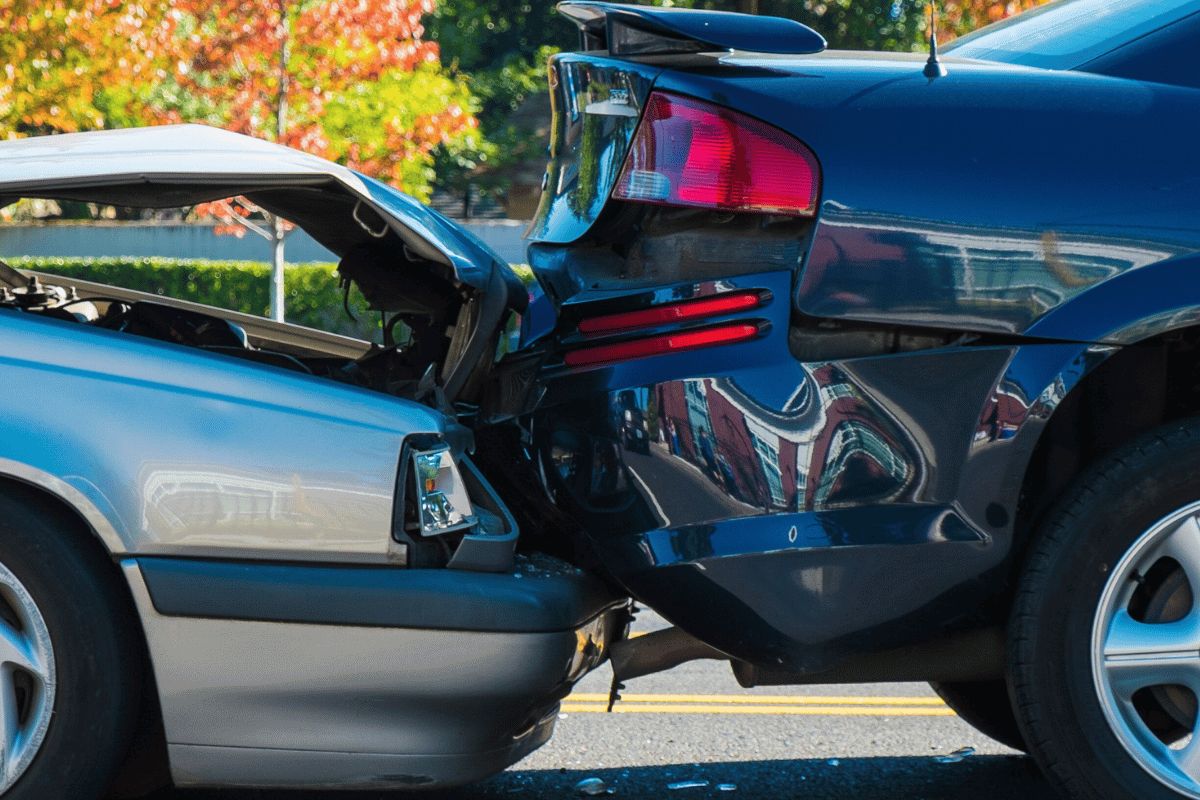
You just got rear-ended at a stoplight in Madison. The other driver seems cooperative, and the damage doesn’t look too bad, so you both decide not to call the police. A few days later, your neck starts to hurt, your car needs more repairs than you thought — and now you’re wondering how to file a claim.

But then reality hits: there’s no accident report. Can you still file a car accident claim in Wisconsin?

The short answer is yes — but it can be more complicated. At Natasha Misra Law, we’ve helped drivers across Milwaukee, Appleton, Green Bay, Madison, and Hales Corners handle accident claims with and without accident reports. Here's what you need to know.
Why an Accident Report Matters

An accident report serves as an official, third-party record of your accident. It often includes:

  • The date, time, and location of the crash
  • Statements from the drivers and any witnesses
  • The officer’s observations and sometimes even a fault determination

Insurance companies often rely on accident reports when deciding how to handle a claim. Without one, the process can feel like your word against the other driver’s.

Can You Still File a Claim Without It?

Yes. You can still file a car accident claim without an accident report — but your claim will likely need stronger supporting evidence.

That includes:

  • Photos of the damage, scene, and injuries
  • Medical records showing your treatment
  • Witness statements
  • Repair estimates
  • Proof of missed work due to the accident

Without an accident report, it’s even more important to act quickly and stay organized. The insurance company may be more likely to challenge your version of events, delay your claim, or offer less than you deserve.

What If the Other Driver Changes Their Story?

This is a common issue when there’s no report to back up what really happened. At the scene, the other driver may admit fault or apologize — but a week later, their insurance company says you were to blame.

That’s why it’s always a good idea to involve the police, even in minor crashes. In Wisconsin, you’re legally required to report the accident to police if:

  • Someone is injured
  • There’s $1,000 or more in property damage
  • A government-owned vehicle is involved
  • When in doubt, call.

When to Call an Accident Injury Lawyer in Wisconsin

If you’ve been injured in a crash and there’s no accident report, it’s a smart idea to speak with a personal injury attorney early on. At Natasha Misra Law, we help people who’ve been hurt in car accidents navigate claims, even when the case starts out messy or unclear.

We’ll help gather the evidence, build your case, and handle communication with the insurance companies — so you can focus on recovering. Our personal injury team works on a contingency fee basis, meaning you don’t pay unless we win.

We also offer multilingual support through a professional translation service, so if you or a loved one speaks Spanish, Burmese, Rohingya, or another language, we’re ready to help.

Contact Natasha Misra Law Today, and Get a Lawyer Who’s Not Just Another Suit

No accident report? Don’t panic — and don’t give up on your claim. Whether your accident happened in Milwaukee, Green Bay, Hales Corners, Madison, or Appleton, we’re here to help you figure out the next step and fight for the compensation you deserve.

Get a free consultation today. You deserve answers. You deserve to recover.
Natasha Misra

My law practice is dedicated to helping people who have suffered injuries in accidents which were not their fault. Born and raised in Milwaukee, I come from a family of medical professionals. My background and experience help me understand and represent individuals injured in accidents.