

If you’ve lived in Milwaukee long enough, you know how quickly the roads can change. One minute traffic is moving normally. The next, a light snowfall turns into slick intersections, black ice on bridges, and cars sliding through stop signs.

It was icy… so is anyone really at fault?

The short answer is yes, sometimes. Ice makes driving harder. It does not erase responsibility.

How Liability Works in Winter Accidents

In Milwaukee and throughout Wisconsin, liability in a car accident is based on negligence. That means the question is whether someone failed to drive with reasonable care under the conditions.

  • Winter weather does not excuse unsafe driving. In fact, it requires more caution.
  • Drivers have a duty to adjust to road conditions. That may mean:
  • Slowing down below the posted speed limit
  • Leaving extra space between vehicles
  • Braking gradually instead of suddenly
  • Making sure tires and brakes are in good condition
  • Avoiding distractions when roads are slick

If a driver fails to adapt and causes a crash, icy roads do not protect them from liability.

Common Causes of Winter Accidents

When we review winter crash cases in Milwaukee, Madison, Appleton, and Green Bay, certain patterns show up repeatedly:

  • Driving too fast for snowy or icy conditions
  • Following too closely and sliding into another vehicle
  • Failing to clear windows properly, limiting visibility
  • Worn tires that reduce traction
  • Distracted driving during already dangerous weather

What If Both Drivers Share Fault?

Wisconsin follows a modified comparative negligence rule. This means you can still recover damages as long as you are not more than 50 percent at fault. If you are found 20 percent responsible, for example, your compensation would be reduced by that percentage.

Winter crashes often involve shared fault arguments. One driver may say the other stopped suddenly. The other may argue someone was driving too fast. Sorting that out requires a close look at police reports, vehicle damage, witness statements, and weather conditions at the time of the crash. These cases are rarely as simple as “it was just icy.”

What About the City or Road Conditions?

Some people wonder whether the city is responsible for failing to clear roads quickly enough. Government liability is much more limited and involves special legal rules and deadlines. Most winter accident claims focus on driver behavior rather than snow removal itself.

The real issue is usually whether someone drove in a way that was unsafe for the conditions that day.

How Natasha Misra Law Helps After a Winter Crash

Winter accident claims can quickly become complicated. Insurance companies often lean on the weather as a defense. They may argue the crash was unavoidable. They may try to shift blame onto you. At Natasha Misra Law, we look beyond the surface, our team:

  • Reviews crash reports carefully
  • Analyzes weather timing and road conditions
  • Examines vehicle damage patterns
  • Protects you from unfair fault assignments
  • Handles communication with insurers so you do not have to

Natasha stays personally involved in car accident cases, supported by a highly experienced team that understands how Wisconsin insurers approach winter crashes. We also offer interpretation services, including Spanish, Burmese, and Rohingya, so every client can fully understand their rights and options.

Our goal is not just to file a claim. It is to make sure the weather is not used as an excuse to undervalue what happened to you.

Talk to a Wisconsin Car Accident Lawyer About Your Winter Crash

If you were injured in a winter driving accident in Milwaukee, Madison, Appleton, or Green Bay, do not assume the ice automatically means no one is responsible.

Call us today or fill out our form for a free consultation.

Natasha Misra Law is here to review what happened, explain where you stand, and help you pursue the compensation you deserve.

Soft tissue injuries like whiplash are common in car accidents, but did you know concussions are, too? Most people think of concussions as a sports-related injury for high impact activities like football or hockey, but anytime a person’s head is shaken or jerked it can lead to a concussion. Even at slow rates of speed, the impact of a collision can jostle the brain enough to result in a concussion.

If you suspect a concussion after a car accident, what should you do?

In addition to promptly seeking medical treatment, you should also contact a Milwaukee personal injury attorney. Concussions are serious injuries that can lead to long-term effects and costly medical treatment. Rather than enduring the back-and-forth of insurance negotiations, allow an experienced attorney to advocate for the compensation you deserve while you focus on taking care of yourself during recovery.
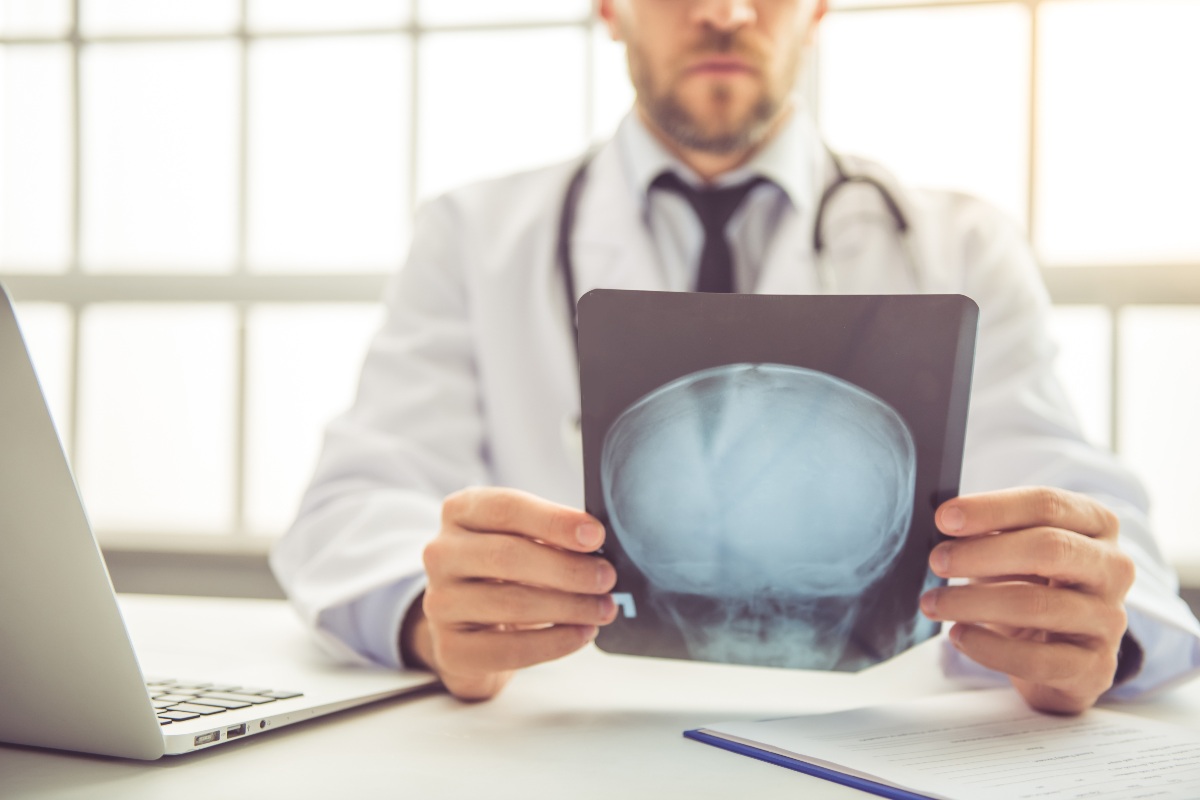
Here is a quick overview of concussions including symptoms to look for, the importance of medical treatment, and how to seek compensation for your injuries.

What are the symptoms of a concussion after a car accident?

Concussions are not always obvious, as there may not be any immediate symptoms. In fact, symptoms may not appear until a few days to a few weeks after the trauma or may never manifest at all. In cases where a concussion is apparent, immediate symptoms may include confusion, dizziness, blurred vision, slurred speech, nausea, head and neck pain, or fatigue. However, symptoms vary, and therefore, any behavior change or abnormal feeling after head trauma should be considered as a possible sign of a concussion and immediate medical attention is necessary.

How are car accident concussions treated?

Sometimes, a mild concussion can be treated with physical and mental rest while the individual symptoms, such as a headache, are treated separately with medication. However, in severe cases, rehabilitation or physical therapy may be necessary to help the brain recover from the concussion. Brain damage can result in lost connections, requiring the brain to re-learn important functions related to memory, speech, and performing simple tasks.

Should I seek medical treatment for a head injury?

A concussion is a traumatic brain injury. Even a mild concussion must be taken seriously, given immediate medical attention for proper diagnosis and treatment. Regardless of whether there are obvious symptoms, a medical evaluation should happen within a few days of the trauma even when emergency care is not warranted. Without proper diagnosis and treatment, concussions can result in ongoing complications including post-concussive syndrome and permanent brain damage.

Can I recover damages for a car accident concussion?

In addition to recovering your medical costs, you may also be entitled to lost wages and compensation for related pain and suffering. While the medical costs of treating a concussion can be significant, the impact to your life can also be substantial. This is why it is important to have an experienced personal injury attorney to advocate for you, so that you can recover the full financial compensation you deserve.

Contact Natasha Misra Law today to schedule a free consultation.
Natasha Misra

My law practice is dedicated to helping people who have suffered injuries in accidents which were not their fault. Born and raised in Milwaukee, I come from a family of medical professionals. My background and experience help me understand and represent individuals injured in accidents.