

If you weren’t wearing a helmet, you might be wondering whether that automatically puts you at fault or takes away your ability to file a claim. Insurance companies often lean into that assumption, but the law has a different take. 

In Wisconsin, motorcycle helmets are strongly recommended for safety, but they are not legally required for riders who are 18 or older and properly licensed. Even if you were not wearing a helmet, you still have the right to pursue compensation if another driver caused the crash.

If you were injured while riding in Milwaukee, Madison, Appleton, or Green Bay, the focus of your claim is not whether you wore a helmet. It is whether another driver acted carelessly, failed to yield, was distracted, or otherwise caused the collision.

What Wisconsin Law Actually Says About Helmets

In Wisconsin, motorcycle helmet laws are limited. Riders and passengers under 18 and those riding with an instructional permit are required to wear helmets. For riders 18 and older with a valid license, helmets are optional.

That distinction matters. Choosing not to wear a helmet when you are legally allowed to do so is not, by itself, a violation of the law.

Can You Still File a Claim If You Were Not Wearing a Helmet?

Yes. You can still file a motorcycle accident claim even if you were not wearing a helmet.

The most important question in any motorcycle case is what caused the crash, not what you were wearing. If another driver was speeding, distracted, failed to yield, or simply was not paying attention, you still have the right to pursue compensation for the harm they caused. That can include:

  • Medical bills
  • Lost income
  • Damage to your motorcycle
  • Pain and physical limitations
  • Long-term effects on your daily life

Helmet use does not change whether another driver acted negligently.

How Helmet Use May Come Up in a Claim

This is where things get more nuanced. Wisconsin follows a comparative negligence system. That means fault can be divided, and compensation can be reduced if someone’s actions contributed to their injuries.

In motorcycle cases, insurance companies sometimes argue that not wearing a helmet made injuries worse. For example:

  • A rider is struck by a car that turned left in front of them in Milwaukee.
  • The driver clearly caused the crash.
  • The insurer then argues that a helmet might have reduced the extent of the head injury.

In that situation, the argument is not that the rider caused the accident, but that they share some responsibility for the extent of their injuries. Even then, this does not automatically reduce compensation. It must be proven, and it is often disputed with medical and accident evidence.

What This Means in Real Life

Every case is different.

  • If your injuries did not involve your head, helmet use may be irrelevant.
  • If the crash was severe, a helmet may not have changed the outcome.
  • If the other driver’s conduct was especially dangerous, that remains the central issue.

This is why these cases should not be decided by assumptions. They should be evaluated carefully, with facts, timing, medical records, and an understanding of how Wisconsin law is actually applied.

Why Legal Guidance Matters After a Wisconsin Motorcycle Accident

Motorcycle accident claims are already treated differently by insurance companies. When helmet use is added to the conversation, adjusters often push harder to minimize claims early on. At Natasha Misra Law, we focus on what truly matters:

  • Who caused the crash
  • How it happened
  • What injuries resulted
  • How your life has been affected

Natasha stays personally involved in motorcycle injury cases, supported by a team with deep experience handling serious auto and motorcycle claims across Wisconsin. We take the time to explain your options clearly, answer your questions honestly, and push back when insurers oversimplify the law.

Talk to a Wisconsin Motorcycle Accident Lawyer Who Will Give You Straight Answers and Real Support

If you were injured in a motorcycle accident and were not wearing a helmet, do not assume you are out of options. You deserve to understand where you stand before an insurance company decides for you.

Contact us today to schedule a free consultation. Natasha Misra Law serves riders throughout Milwaukee, Madison, Appleton, and Green Bay.

We’re here to help you understand your rights and get back on your feet.

If you’ve been in a car accident in Milwaukee, Appleton, Waukesha, or Oshkosh, you might be wondering: Should I contact an attorney now or wait until the accident report is ready? It’s tempting to hold off, especially when reports often take 7-14 days—or even longer—to finalize. 

But here’s the truth: waiting can hurt your case. The car accident attorneys at Natasha Misra Law are here to let you know more about what you should do while the report is being created, and how legal support can make all the difference. 

How the Accident Report Fits Into Your Case

The accident report is a key document, and it’s important to know what it includes—and doesn’t include:

  • The Basics: Details about the location, time, and parties involved in the crash.
  • The Officer’s Observations: The responding officer may note the conditions at the scene, statements from drivers and witnesses, and potential causes of the accident.
  • Liability Notes: The report may include the officer’s opinion on who was at fault—but it’s not the final say.

However, accident reports aren’t always perfect. Errors or missing details can occur, and if you don’t have an experienced attorney reviewing the report, these inaccuracies can hurt your claim. At Natasha Misra Law, we review accident reports carefully, flag any errors, and work to correct them quickly. 

The Accident Report Is Just One Piece of the Puzzle

While the accident report is an important investigative tool, it’s far from the only evidence your case relies on. Waiting for it means losing valuable time to collect:

  • Witness Statements: People’s memories fade fast, and key details could be lost.
  • Scene Evidence: Skid marks, debris, or vehicle damage may disappear within days.
  • Footage or Photos: Surveillance videos or dashcam recordings can be overwritten or erased.

We’ll handle the accident report for you, and we’ll get to work preserving evidence and building the strongest possible case.

What to Do If the Insurance Company Contacts You Before You Have the Report

Insurance companies don’t wait for accident reports—they move fast to protect their interests. If an adjuster calls you soon after the accident, they may:

  • Pressure you into giving a recorded statement that could be used against you.
  • Offer a lowball settlement before you know the full extent of your injuries.
  • Ask you to sign paperwork that could waive your right to future compensation.

Here’s what you should do:

  • Avoid Making Statements: Keep your conversation brief and do not provide a recorded statement until consulting an attorney.
  • Don’t Sign Anything: Wait until you’ve spoken with an attorney who understands your rights.
  • Call Us Right Away: Natasha Misra Law will handle all communications with the insurance company so you don’t have to.

Act Now With Natasha Misra Law to Protect Your Rights and Your Claim

Accident reports are important, but they take time—and time isn’t on your side when it comes to building a strong case. By reaching out to us right away, you’re giving yourself the best chance to secure the compensation you deserve.
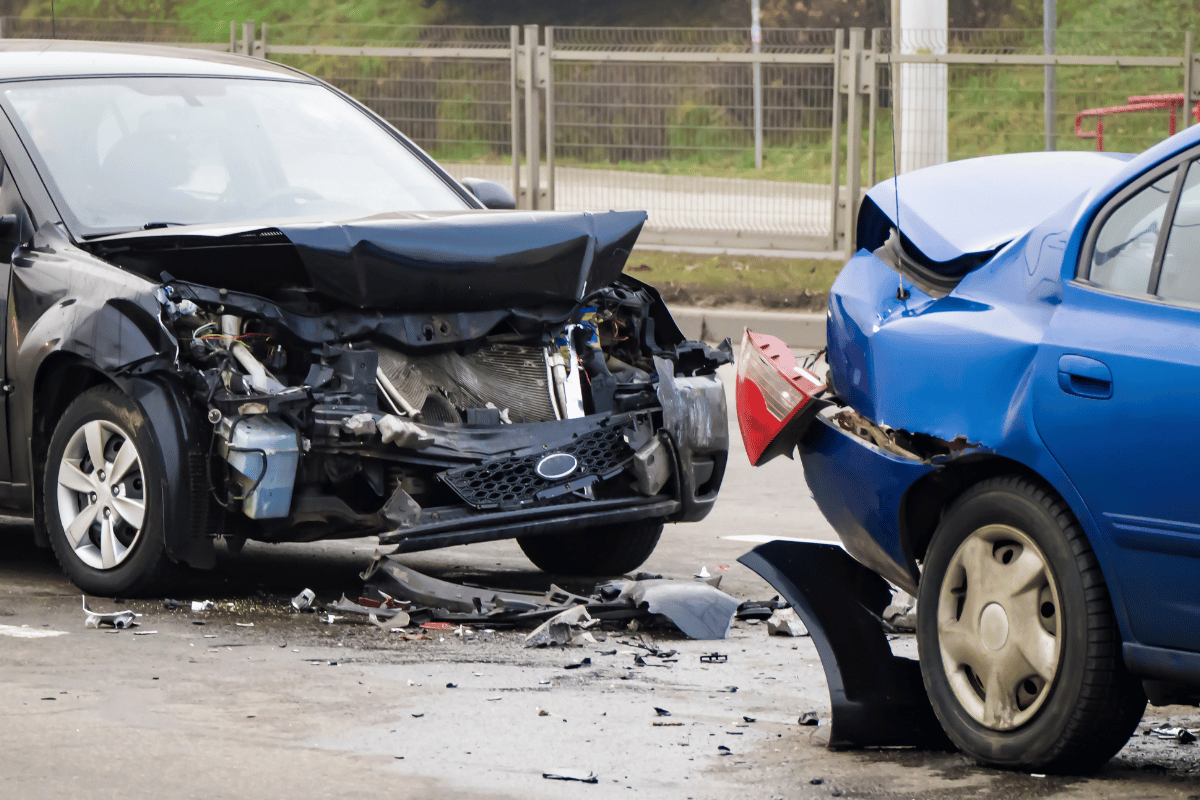
We focus on getting you back on your feet—physically, emotionally, and financially. From the moment you call, we’ll take the burden off your shoulders so you can focus on healing while we handle the rest. Don’t let delays cost you your claim. Contact Natasha Misra Law today and let us fight for you—because you deserve more than just another suit.
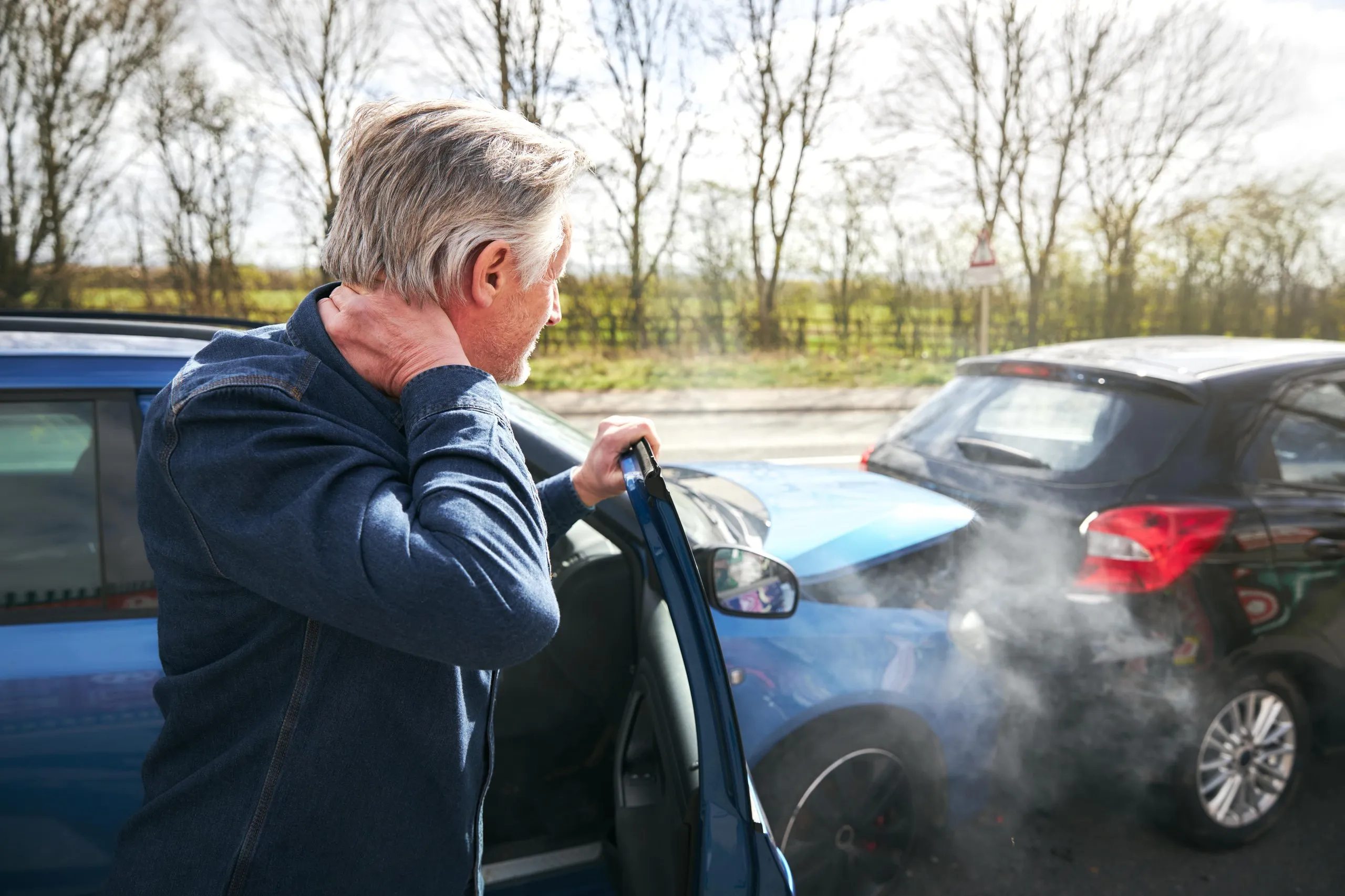
Natasha Misra

My law practice is dedicated to helping people who have suffered injuries in accidents which were not their fault. Born and raised in Milwaukee, I come from a family of medical professionals. My background and experience help me understand and represent individuals injured in accidents.