

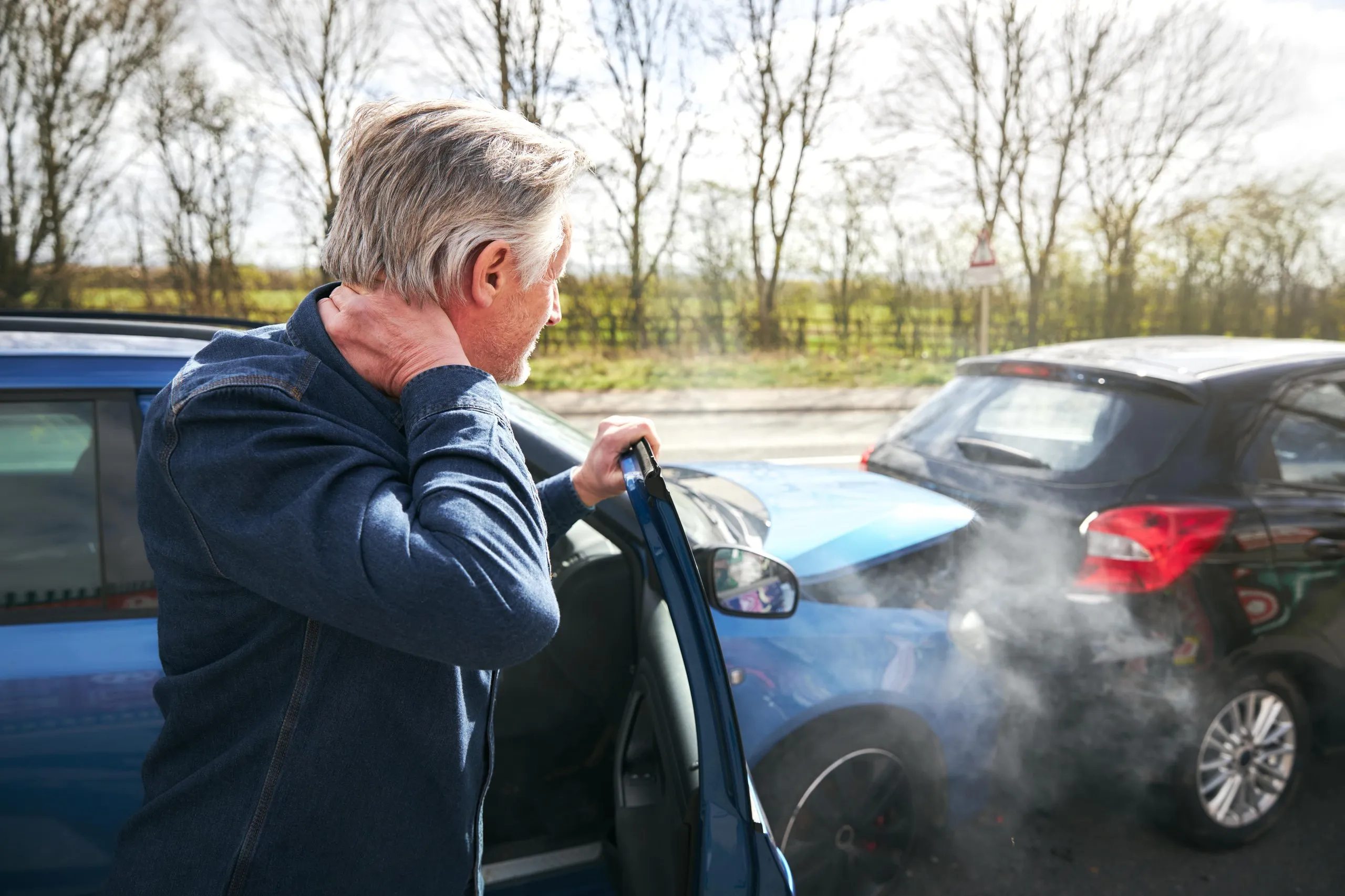
In a multi-car rear-end accident, more than one driver can be responsible. Wisconsin uses a comparative negligence system, which means fault is often shared based on each driver’s actions leading up to the crash.
If you were involved in a chain-reaction accident on I-94, Highway 100, or even a stop-and-go road in Milwaukee, you’ve probably already realized how quickly things become unclear. One moment turns into multiple impacts, multiple drivers, and multiple insurance companies, all trying to sort out what happened.
Most multi-car rear-end accidents start with a single event but do not stop there. Traffic slows, someone brakes suddenly, and the driver behind them does not react in time. That first impact can push vehicles forward and trigger a chain reaction.
In these situations, it is not always accurate to assume the last driver is entirely at fault.
Wisconsin follows a comparative negligence system. Each driver can be assigned a percentage of fault based on their role in the accident. You can still recover compensation if you are 50% or less at fault, but your recovery is reduced by your percentage of responsibility.
So instead of asking who caused the accident, the real question becomes how much each driver contributed to what happened.
Every case depends on the facts, but there are common patterns. The first driver may be at fault if they created a sudden hazard. Middle drivers may share responsibility if they were following too closely or not paying attention. The last driver is often blamed for failing to stop, but not always entirely.
If you were stopped in traffic and pushed into another vehicle, your role may be minimal. If you were already too close before the impact, that can change your share of fault.
To determine fault, investigators and insurance companies typically review:
These details often shift how responsibility is assigned once everything is analyzed.
With multiple vehicles involved, the story can change quickly. What seems obvious at the scene may not hold up once all drivers give statements or insurers begin their investigations.
Photos, witness information, and police reports can all help clarify what actually happened and protect your position.
Some people focus only on their vehicle. Others feel pressure when insurance companies start calling right away.
But these cases are often about more than the initial damage. Medical treatment, time off work, and symptoms that develop later tend to become the bigger issues over time. What feels manageable in the moment can become more complicated weeks later.
At Natasha Misra Law, handling car, truck, and motorcycle accident cases is the core of the practice, not something occasional.
Clients get both direct attorney involvement and the support of a full team. That includes help managing the injury claim, handling vehicle damage issues, and guiding clients through treatment and next steps. Communication is also a priority, with Spanish-speaking staff and access to interpreters for nearly any language, including Burmese and Rohingya.
If you were involved in a multi-car rear-end accident in Milwaukee, it is normal not to have clear answers right away.
What matters is understanding your role in the accident and making sure your side is fully represented.
Reach out to Natasha Misra Law for a free consultation. You can start with a phone call, meet in person, or handle things remotely. The goal is simple: help you recover and get back on your feet with the support you need.
Snowmobiling is a popular winter activity in Wisconsin, especially up north, but it can also be dangerous. As an experienced personal injury law firm, Natasha Misra Law understands how important it is to practice snowmobile safety. Whether you are new to the sport or an experienced rider, here are some tips to help you stay safe while riding.
Make sure you wear appropriate clothing and protective gear, such as a helmet, boots, gloves, and eye protection. Frequently check in on the maintenance of your snowmobile to ensure that it is in good working condition and has the necessary safety equipment. Be aware of terrain conditions and weather forecasts before heading out for a ride. Avoid riding on unfamiliar trails or areas with rugged terrain.
1. Follow the Laws and Regulations: Make sure to follow all of Wisconsin’s snowmobiling laws and regulations, such as wearing a helmet and proper clothing while riding. This can help protect you from serious injury in the event of an accident.
2. Use the Buddy System: Ride with a buddy whenever possible; it's much safer than riding alone and allows you to watch each other.
3. Bring a Communication Device and a Safety Kit: Always bring a cellphone, GPS, and first-aid kit when you go snowmobiling up north; these items can help you stay safe if something goes wrong.
4. Bring Your Updated Insurance Policy: Make sure your snowmobiling insurance policy is up to date. This will help protect you from liability if you are involved in an accident or cause injury to another person.
5. Plan Your Route: Always check the snowmobiling trails and conditions before venturing out for a ride, as weather can change quickly in Wisconsin, especially up north.
In Wisconsin, the law dictates that if someone is injured in a snowmobile accident, the snowmobile driver can be held liable for the injuries sustained by the other party or parties involved. In addition, if the accident resulted because of the recklessness or carelessness of another party, that party might be held accountable for any resulting damages. However, the outcome of a claim depends on various factors that will be determined by responding law enforcement.
Contacting a personal injury lawyer after a snowmobile accident can ensure that you receive maximum compensation for any damages incurred in the accident.
By following these safety tips, Wisconsin snowmobilers can ensure that they have a safe and enjoyable experience. However, if you are injured in a snowmobile accident due to another person's negligence or recklessness, Natasha Misra Law is here to help. Our personal injury attorneys will advocate for your rights and make sure you receive the compensation you deserve. Contact us today to learn more.
My law practice is dedicated to helping people who have suffered injuries in accidents which were not their fault. Born and raised in Milwaukee, I come from a family of medical professionals. My background and experience help me understand and represent individuals injured in accidents.