

If you weren’t wearing a helmet, you might be wondering whether that automatically puts you at fault or takes away your ability to file a claim. Insurance companies often lean into that assumption, but the law has a different take.
In Wisconsin, motorcycle helmets are strongly recommended for safety, but they are not legally required for riders who are 18 or older and properly licensed. Even if you were not wearing a helmet, you still have the right to pursue compensation if another driver caused the crash.
If you were injured while riding in Milwaukee, Madison, Appleton, or Green Bay, the focus of your claim is not whether you wore a helmet. It is whether another driver acted carelessly, failed to yield, was distracted, or otherwise caused the collision.
In Wisconsin, motorcycle helmet laws are limited. Riders and passengers under 18 and those riding with an instructional permit are required to wear helmets. For riders 18 and older with a valid license, helmets are optional.
That distinction matters. Choosing not to wear a helmet when you are legally allowed to do so is not, by itself, a violation of the law.
Yes. You can still file a motorcycle accident claim even if you were not wearing a helmet.
The most important question in any motorcycle case is what caused the crash, not what you were wearing. If another driver was speeding, distracted, failed to yield, or simply was not paying attention, you still have the right to pursue compensation for the harm they caused. That can include:
Helmet use does not change whether another driver acted negligently.
This is where things get more nuanced. Wisconsin follows a comparative negligence system. That means fault can be divided, and compensation can be reduced if someone’s actions contributed to their injuries.
In motorcycle cases, insurance companies sometimes argue that not wearing a helmet made injuries worse. For example:
In that situation, the argument is not that the rider caused the accident, but that they share some responsibility for the extent of their injuries. Even then, this does not automatically reduce compensation. It must be proven, and it is often disputed with medical and accident evidence.
Every case is different.
This is why these cases should not be decided by assumptions. They should be evaluated carefully, with facts, timing, medical records, and an understanding of how Wisconsin law is actually applied.
Motorcycle accident claims are already treated differently by insurance companies. When helmet use is added to the conversation, adjusters often push harder to minimize claims early on. At Natasha Misra Law, we focus on what truly matters:
Natasha stays personally involved in motorcycle injury cases, supported by a team with deep experience handling serious auto and motorcycle claims across Wisconsin. We take the time to explain your options clearly, answer your questions honestly, and push back when insurers oversimplify the law.
If you were injured in a motorcycle accident and were not wearing a helmet, do not assume you are out of options. You deserve to understand where you stand before an insurance company decides for you.
Contact us today to schedule a free consultation. Natasha Misra Law serves riders throughout Milwaukee, Madison, Appleton, and Green Bay.
We’re here to help you understand your rights and get back on your feet.
You’re driving cautiously through a snowstorm on your way home from Green Bay, keeping a safe distance and staying under the speed limit. Suddenly, another car loses control on the icy road, slams into your vehicle, and changes your life in an instant. Wisconsin winters can be dangerous, but accidents like these happen all the time, because someone else wasn’t careful.
The team at Natasha Misra Law wants you to be as prepared as possible for any road conditions, and we’re here to fight for you if someone else wasn’t, and injured you in an accident. Let’s take a look at what winter conditions you could face, and how you can best try to stay safe out there in the snow.
Icy Roads: As temperatures drop, moisture on the roads can freeze into a slick, invisible layer of ice. Icy conditions are common across Wisconsin’s highways and residential streets, especially on bridges and overpasses.
Snowstorms and Reduced Visibility: Heavy snow can make it nearly impossible to see other vehicles, road signs, or obstacles. Rural areas like Oshkosh and Fond du Lac can be especially hazardous, with blowing snow creating whiteout conditions.
Black Ice: Black ice is a thin, transparent layer of ice that blends with the pavement, making it almost impossible to detect. It’s especially dangerous on shaded roads or during early morning hours.
Snow-Covered Roads: Packed snow can be as slippery as ice and often hides road markings, making it hard to judge where your lane ends or begins. This is a common issue in cities like Green Bay and Appleton after a heavy snowfall.
Unplowed or Poorly Maintained Roads: Snow and ice are bad enough, but when roads aren’t properly plowed or salted, the danger increases. Wisconsin’s smaller towns and rural highways often face delayed maintenance, making conditions worse.
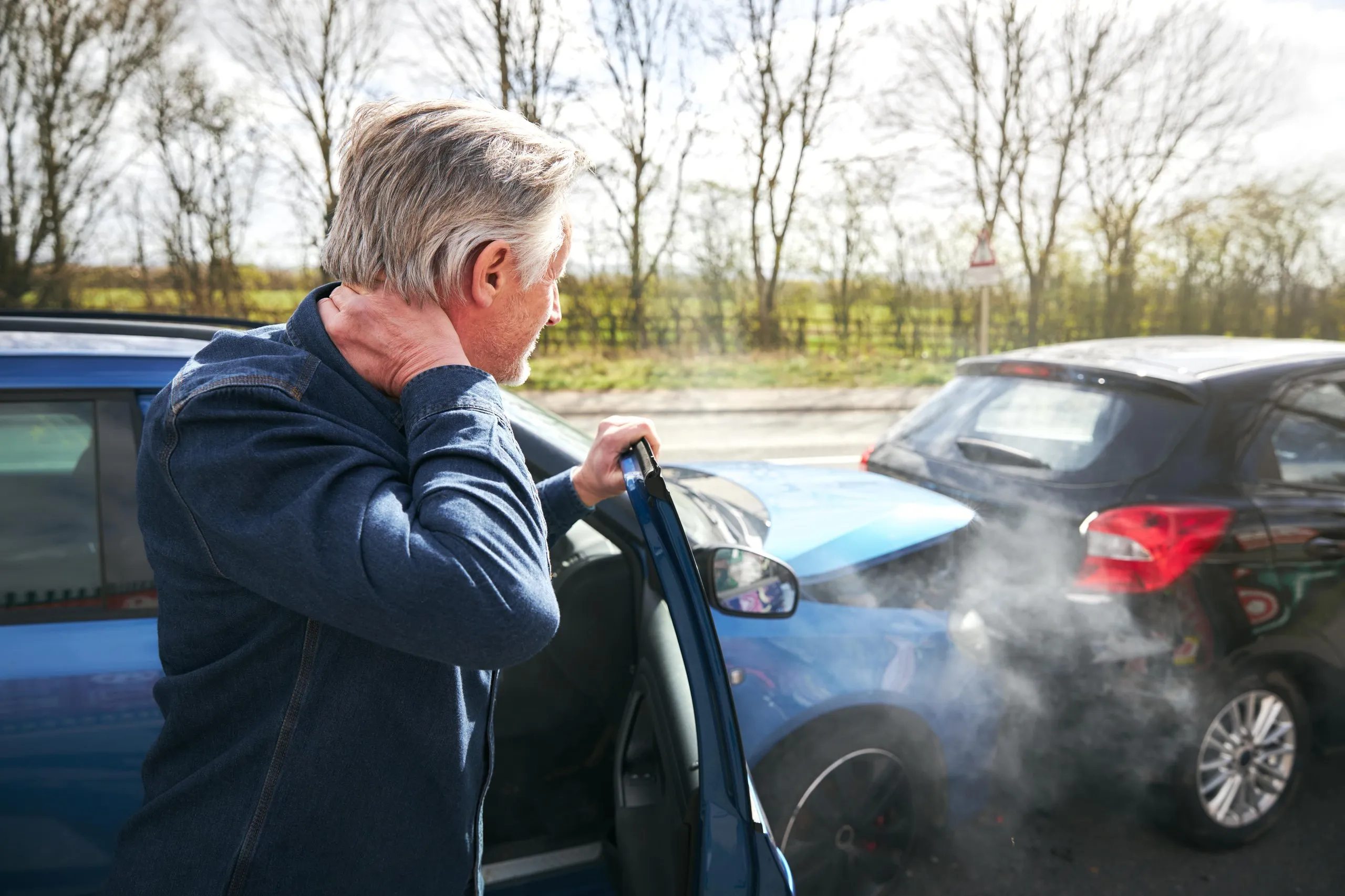
Winter driving hazards are more than inconvenient—they’re dangerous. Snow, ice, and low visibility significantly increase the likelihood of crashes, and when another driver isn’t as cautious as you are, the consequences can be devastating. Rear-end collisions, multi-car pileups, and sliding accidents happen more often during winter, leading to serious injuries like whiplash, broken bones, and head trauma. If you’ve been hurt because someone else wasn’t careful on Wisconsin’s winter roads, you deserve justice.
If you’ve been injured in a winter driving accident in Milwaukee, Green Bay, Appleton, or anywhere in northern WI—don’t wait to get experienced legal advocacy. Contact Natasha Misra Law today for a free consultation.
Stay safe this winter, and remember: when you need someone to fight for you, Natasha Misra Law is more than just another suit. We’re advocates for your health, safety, and your future.
My law practice is dedicated to helping people who have suffered injuries in accidents which were not their fault. Born and raised in Milwaukee, I come from a family of medical professionals. My background and experience help me understand and represent individuals injured in accidents.