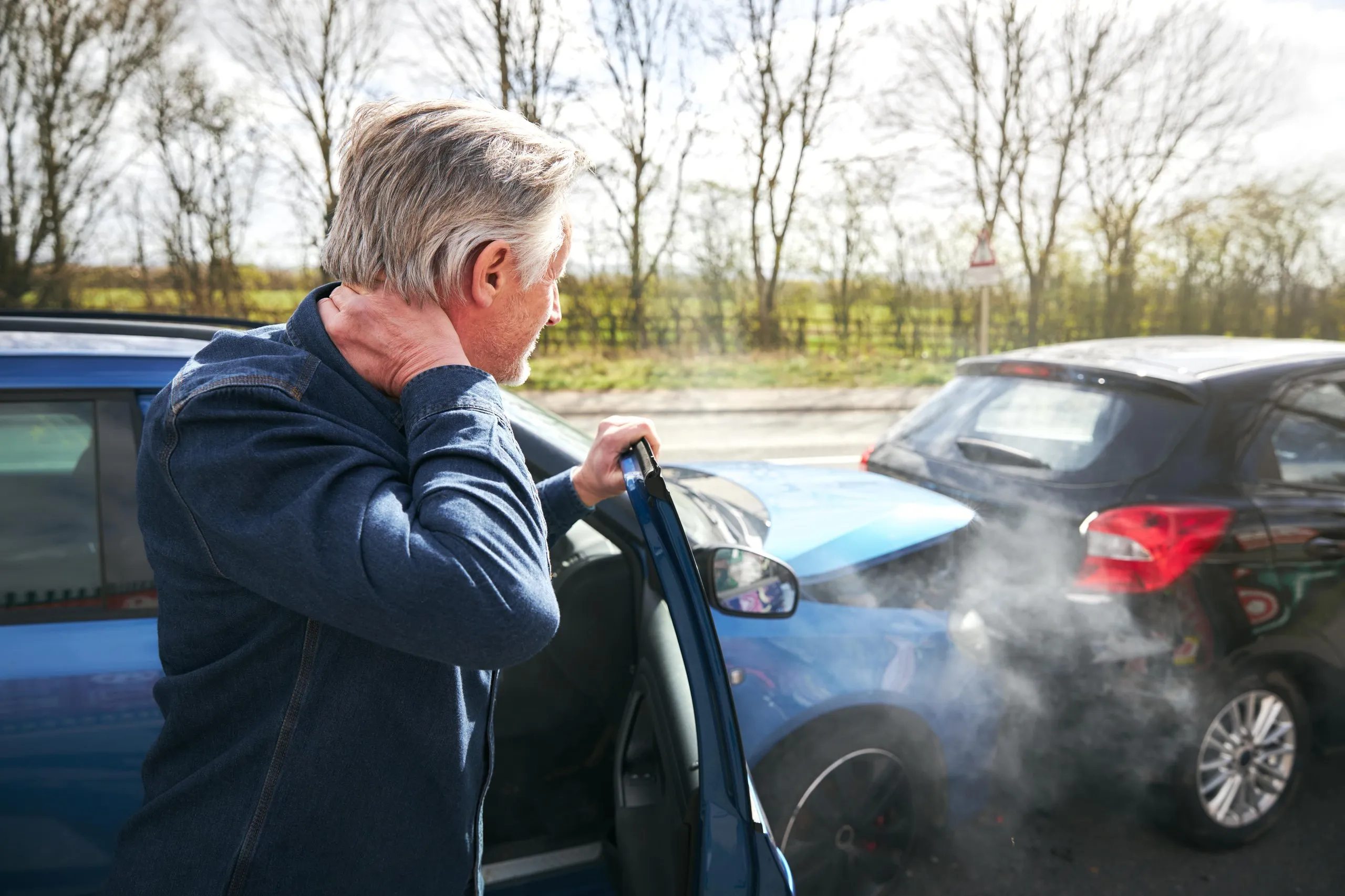
If you’ve lived in Milwaukee long enough, you know how quickly the roads can change. One minute traffic is moving normally. The next, a light snowfall turns into slick intersections, black ice on bridges, and cars sliding through stop signs.
It was icy… so is anyone really at fault?
The short answer is yes, sometimes. Ice makes driving harder. It does not erase responsibility.
In Milwaukee and throughout Wisconsin, liability in a car accident is based on negligence. That means the question is whether someone failed to drive with reasonable care under the conditions.
If a driver fails to adapt and causes a crash, icy roads do not protect them from liability.
When we review winter crash cases in Milwaukee, Madison, Appleton, and Green Bay, certain patterns show up repeatedly:
Wisconsin follows a modified comparative negligence rule. This means you can still recover damages as long as you are not more than 50 percent at fault. If you are found 20 percent responsible, for example, your compensation would be reduced by that percentage.
Winter crashes often involve shared fault arguments. One driver may say the other stopped suddenly. The other may argue someone was driving too fast. Sorting that out requires a close look at police reports, vehicle damage, witness statements, and weather conditions at the time of the crash. These cases are rarely as simple as “it was just icy.”
Some people wonder whether the city is responsible for failing to clear roads quickly enough. Government liability is much more limited and involves special legal rules and deadlines. Most winter accident claims focus on driver behavior rather than snow removal itself.
The real issue is usually whether someone drove in a way that was unsafe for the conditions that day.
Winter accident claims can quickly become complicated. Insurance companies often lean on the weather as a defense. They may argue the crash was unavoidable. They may try to shift blame onto you. At Natasha Misra Law, we look beyond the surface, our team:
Natasha stays personally involved in car accident cases, supported by a highly experienced team that understands how Wisconsin insurers approach winter crashes. We also offer interpretation services, including Spanish, Burmese, and Rohingya, so every client can fully understand their rights and options.
Our goal is not just to file a claim. It is to make sure the weather is not used as an excuse to undervalue what happened to you.
If you were injured in a winter driving accident in Milwaukee, Madison, Appleton, or Green Bay, do not assume the ice automatically means no one is responsible.
Call us today or fill out our form for a free consultation.
Natasha Misra Law is here to review what happened, explain where you stand, and help you pursue the compensation you deserve.
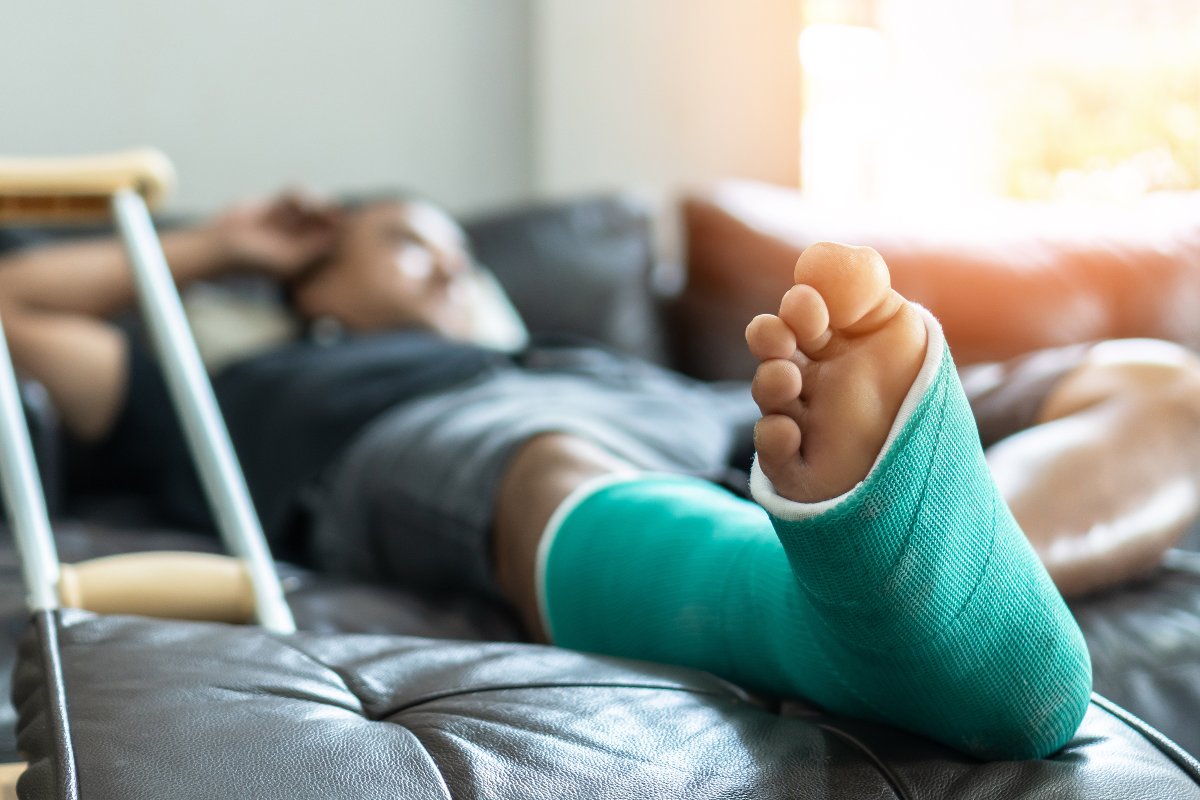
If accident injuries prevent you from working, you may be experiencing financial strain. You may be unable to pay your bills, afford your established lifestyle, or seek the care necessary to move forward after an accident. Beyond the basic paycheck, time off work may also mean missed overtime opportunities, used vacation or sick days, and lost bonuses.
Can you receive compensation if you are unable to work after an accident?
The answer is generally yes. You can receive compensation if your inability to work is due to your accident-related injuries.
In order to build a viable claim for damages, you will need the help of a medical professional. Your doctor will need to make an official determination that your injuries restrict your ability to work or require you to be taken off work. To support your claim, you will need to provide a doctor’s note or other written documentation to your employer.
While federal Social Security Disability benefits are reserved for individuals with long-term disabilities that exceed or are expected to exceed twelve months in duration, you may be able to receive compensation from any short-term disability insurance coverage you carry through your employer or independently. Short-term disability insurance policies typically replace between fifty and seventy-five percent of an individual’s salary due to an illness or injury that leaves the individual temporarily unable to work. In addition to short-term disability insurance, some individuals also maintain long term disability insurance.
Contact your HR representative or insurance provider for a copy of your insurance policy. If you do not have short-term disability insurance or if you need additional compensation to meet your financial obligations, a personal injury attorney can help you identify other avenues for recovering your lost wages.
Yes, you can file a personal injury lawsuit against the responsible driver and seek compensation for lost wages as part of your damages. It is important to keep detailed records of your injuries, medical treatment, and a record of all accident-related work absences and lost wages for each absence. Having documentation of a medical opinion as to how your injury impedes your ability to work with an estimate of the duration of recovery needed may also be helpful to establish your claim for lost wages. To recover lost wages in a personal injury lawsuit, you must be able to prove that any lost wages were a direct result of the injuries caused by the accident.
If you were injured in an accident and those injuries caused you to miss work, you need an experienced accident attorney to help you determine the best way to recover those lost wages, as well as compensation for medical bills, pain and suffering, and other accident-related expenses. Contact Natasha Misra Law today to schedule a free initial consultation.
My law practice is dedicated to helping people who have suffered injuries in accidents which were not their fault. Born and raised in Milwaukee, I come from a family of medical professionals. My background and experience help me understand and represent individuals injured in accidents.