

If you weren’t wearing a helmet, you might be wondering whether that automatically puts you at fault or takes away your ability to file a claim. Insurance companies often lean into that assumption, but the law has a different take. 

In Wisconsin, motorcycle helmets are strongly recommended for safety, but they are not legally required for riders who are 18 or older and properly licensed. Even if you were not wearing a helmet, you still have the right to pursue compensation if another driver caused the crash.

If you were injured while riding in Milwaukee, Madison, Appleton, or Green Bay, the focus of your claim is not whether you wore a helmet. It is whether another driver acted carelessly, failed to yield, was distracted, or otherwise caused the collision.

What Wisconsin Law Actually Says About Helmets

In Wisconsin, motorcycle helmet laws are limited. Riders and passengers under 18 and those riding with an instructional permit are required to wear helmets. For riders 18 and older with a valid license, helmets are optional.

That distinction matters. Choosing not to wear a helmet when you are legally allowed to do so is not, by itself, a violation of the law.

Can You Still File a Claim If You Were Not Wearing a Helmet?

Yes. You can still file a motorcycle accident claim even if you were not wearing a helmet.

The most important question in any motorcycle case is what caused the crash, not what you were wearing. If another driver was speeding, distracted, failed to yield, or simply was not paying attention, you still have the right to pursue compensation for the harm they caused. That can include:

  • Medical bills
  • Lost income
  • Damage to your motorcycle
  • Pain and physical limitations
  • Long-term effects on your daily life

Helmet use does not change whether another driver acted negligently.

How Helmet Use May Come Up in a Claim

This is where things get more nuanced. Wisconsin follows a comparative negligence system. That means fault can be divided, and compensation can be reduced if someone’s actions contributed to their injuries.

In motorcycle cases, insurance companies sometimes argue that not wearing a helmet made injuries worse. For example:

  • A rider is struck by a car that turned left in front of them in Milwaukee.
  • The driver clearly caused the crash.
  • The insurer then argues that a helmet might have reduced the extent of the head injury.

In that situation, the argument is not that the rider caused the accident, but that they share some responsibility for the extent of their injuries. Even then, this does not automatically reduce compensation. It must be proven, and it is often disputed with medical and accident evidence.

What This Means in Real Life

Every case is different.

  • If your injuries did not involve your head, helmet use may be irrelevant.
  • If the crash was severe, a helmet may not have changed the outcome.
  • If the other driver’s conduct was especially dangerous, that remains the central issue.

This is why these cases should not be decided by assumptions. They should be evaluated carefully, with facts, timing, medical records, and an understanding of how Wisconsin law is actually applied.

Why Legal Guidance Matters After a Wisconsin Motorcycle Accident

Motorcycle accident claims are already treated differently by insurance companies. When helmet use is added to the conversation, adjusters often push harder to minimize claims early on. At Natasha Misra Law, we focus on what truly matters:

  • Who caused the crash
  • How it happened
  • What injuries resulted
  • How your life has been affected

Natasha stays personally involved in motorcycle injury cases, supported by a team with deep experience handling serious auto and motorcycle claims across Wisconsin. We take the time to explain your options clearly, answer your questions honestly, and push back when insurers oversimplify the law.

Talk to a Wisconsin Motorcycle Accident Lawyer Who Will Give You Straight Answers and Real Support

If you were injured in a motorcycle accident and were not wearing a helmet, do not assume you are out of options. You deserve to understand where you stand before an insurance company decides for you.

Contact us today to schedule a free consultation. Natasha Misra Law serves riders throughout Milwaukee, Madison, Appleton, and Green Bay.

We’re here to help you understand your rights and get back on your feet.

Child seats are absolutely essential for protecting your child while you drive. In this blog from Natasha Misra Law, we’ll look at the laws around child safety seats in Wisconsin, and provide some tips on proper baby seat installation.
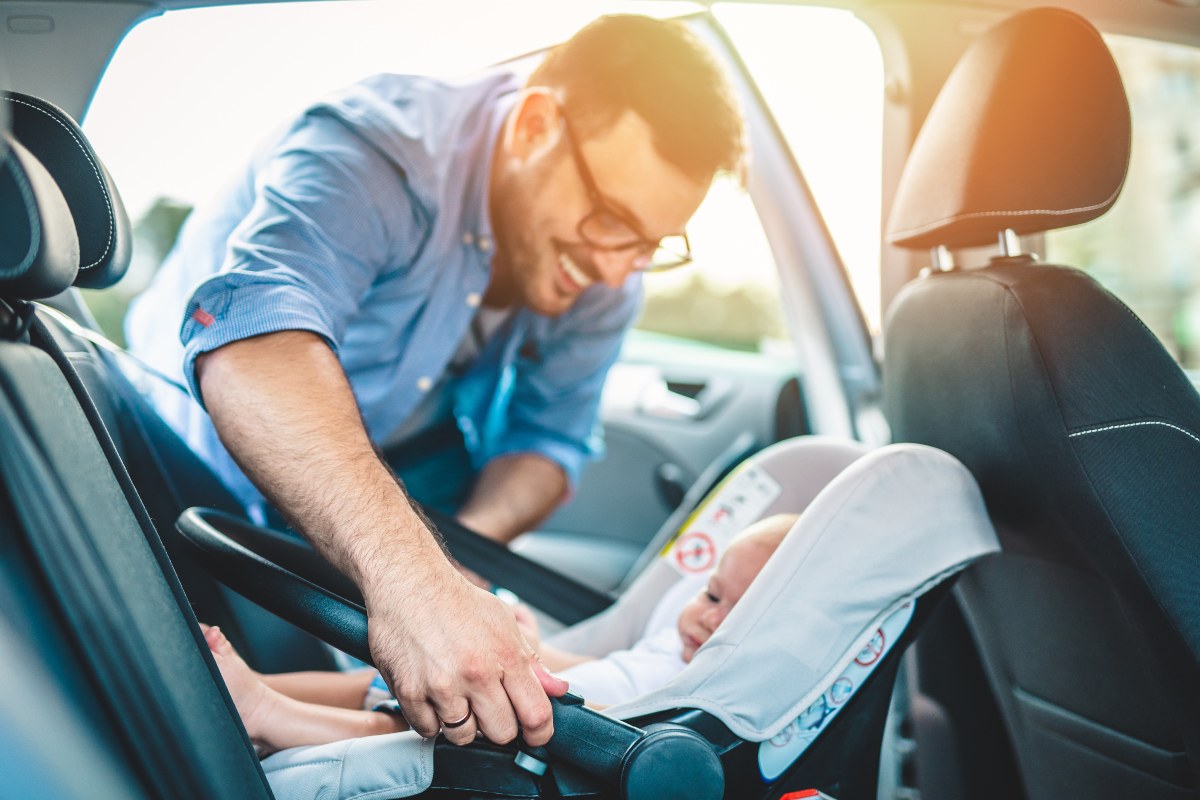
Wisconsin Law Requires Children To Be Safely Seated In Child Seats 

Wisconsin law is very clear about safety requirements for kids: 

  • Babies less than one year old or 20 lbs in weight must be in a rear-facing child seat in the back seat.
  • Children who are under 4 years old or under 40 pounds must be in a car seat in the back seat.
  • Kids under 8 years of age or who are under 4 feet, 9 inches in height or 80 pounds must use a booster seat, again in the back seat.
  • Children who exceed these requirements may sit without a child seat.

Wisconsin does not have an explicit law about what age a child may be before they ride in the front passenger seat, but experts recommend that kids be at least 13 years old before riding in the front seat.

Tips For Installing Baby Seats In Your Car 

Wondering how to keep your child safe when purchasing and installing a child seat? Here are a few recommendations that will help.

  • Choose the right seat – Make sure to choose the right seat based on the Wisconsin laws outlined above. You can refer to the NHTSA’s car seat recommendations to make sure you get the right type of seat for your child. 
  • Read the installation instructions – More than half of all car seats are not installed properly. Each seat is different, so read the installation instructions closely to confirm that you’ve installed it safely and correctly. 
  • Double-check your child before you drive – Always make sure your child is properly buckled and secured. Double-check the car seat to ensure it’s installed correctly. 
  • Keep the car seat in place – Avoid constantly removing and replacing the car seat. Ideally, you should anchor it securely and leave it in place. This reduces the risk of accidentally installing it improperly. 

What To Do If Your Child Is Injured In A Car Accident

An injury to your child in a car accident can be devastating. If your child is injured, you may be able to pursue the negligent driver for damages including medical costs, pain and suffering, emotional distress, and other such damages. Your car seat might also be damaged in an accident, making the insurance company of the person who caused for the accident responsible for replacing the car seat. The first step is an initial consultation with an experienced Milwaukee car accident attorney.

Keep Your Children Safe With These Child Seat Safety Tips

Remember, child safety when driving starts with you. Always choose a reputable car seat, secure it safely, and buckle your child in properly. This will provide maximum protection in case of an accident.

And if you and your child are involved in an accident, get in touch with Natasha Misraw Law for a consultation with a Milwaukee car accident attorney. Contact us online or call at 414-635-2858 to get the help you need.

Natasha Misra

My law practice is dedicated to helping people who have suffered injuries in accidents which were not their fault. Born and raised in Milwaukee, I come from a family of medical professionals. My background and experience help me understand and represent individuals injured in accidents.