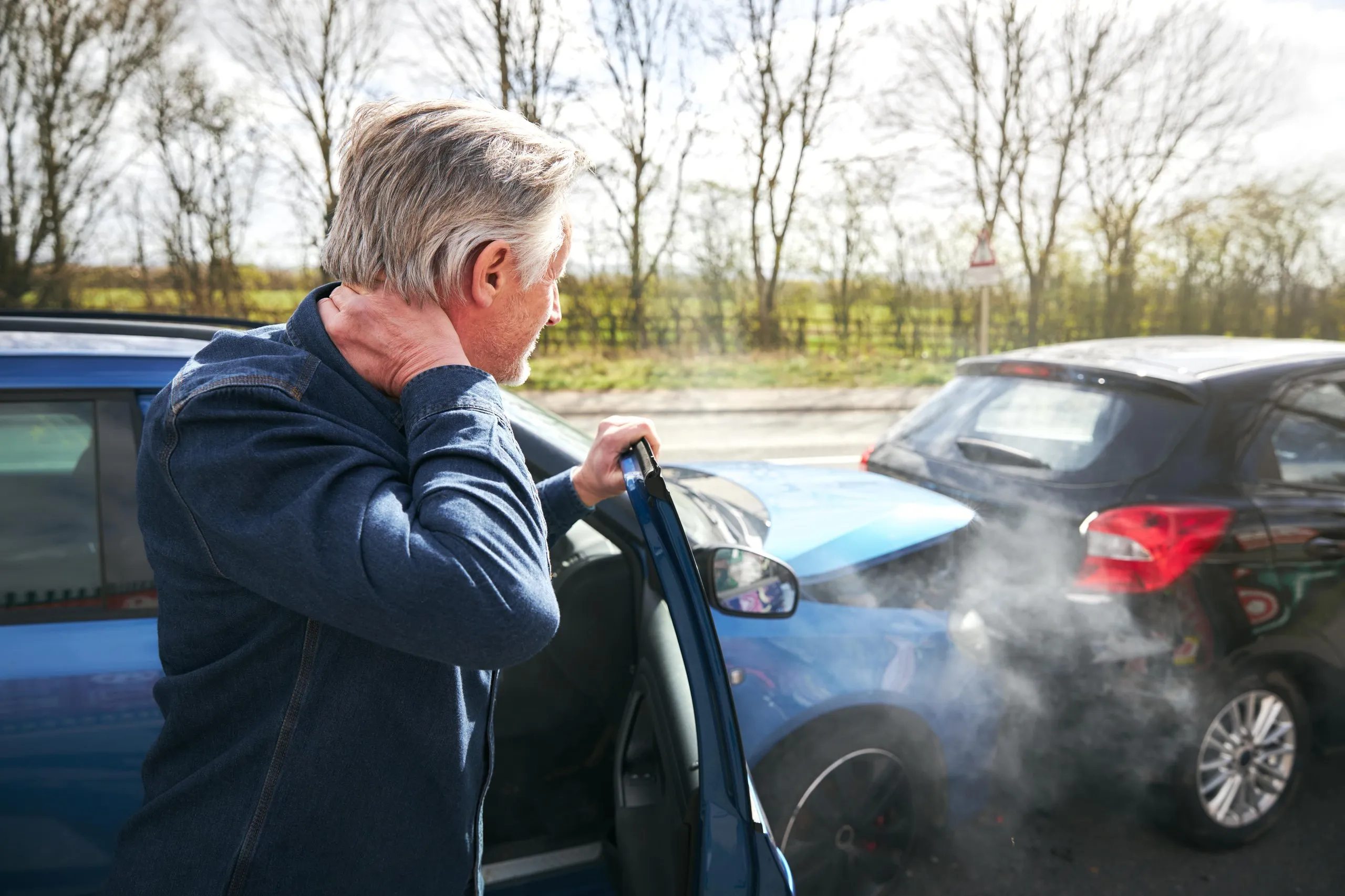
In a multi-car rear-end accident, more than one driver can be responsible. Wisconsin uses a comparative negligence system, which means fault is often shared based on each driver’s actions leading up to the crash.

If you were involved in a chain-reaction accident on I-94, Highway 100, or even a stop-and-go road in Milwaukee, you’ve probably already realized how quickly things become unclear. One moment turns into multiple impacts, multiple drivers, and multiple insurance companies, all trying to sort out what happened.

Understanding How Multi-Car Rear-End Accidents Happen

Most multi-car rear-end accidents start with a single event but do not stop there. Traffic slows, someone brakes suddenly, and the driver behind them does not react in time. That first impact can push vehicles forward and trigger a chain reaction.

In these situations, it is not always accurate to assume the last driver is entirely at fault.

How Fault Is Determined in Wisconsin

Wisconsin follows a comparative negligence system. Each driver can be assigned a percentage of fault based on their role in the accident. You can still recover compensation if you are 50% or less at fault, but your recovery is reduced by your percentage of responsibility.

So instead of asking who caused the accident, the real question becomes how much each driver contributed to what happened.

How Responsibility Is Often Split in WI

Every case depends on the facts, but there are common patterns. The first driver may be at fault if they created a sudden hazard. Middle drivers may share responsibility if they were following too closely or not paying attention. The last driver is often blamed for failing to stop, but not always entirely.

If you were stopped in traffic and pushed into another vehicle, your role may be minimal. If you were already too close before the impact, that can change your share of fault.

What Investigators and Insurance Companies Look At

To determine fault, investigators and insurance companies typically review:

  • Speed and braking patterns
  • Following distance between vehicles
  • Road and weather conditions
  • Statements from drivers and witnesses
  • Damage patterns on each vehicle

These details often shift how responsibility is assigned once everything is analyzed.

Why Evidence Matters More in Multi-Car Crashes

With multiple vehicles involved, the story can change quickly. What seems obvious at the scene may not hold up once all drivers give statements or insurers begin their investigations.

Photos, witness information, and police reports can all help clarify what actually happened and protect your position.

What People Often Miss After a Chain-Reaction Crash

Some people focus only on their vehicle. Others feel pressure when insurance companies start calling right away.

But these cases are often about more than the initial damage. Medical treatment, time off work, and symptoms that develop later tend to become the bigger issues over time. What feels manageable in the moment can become more complicated weeks later.

How Natasha Misra Law Helps in These Cases

At Natasha Misra Law, handling car, truck, and motorcycle accident cases is the core of the practice, not something occasional.

Clients get both direct attorney involvement and the support of a full team. That includes help managing the injury claim, handling vehicle damage issues, and guiding clients through treatment and next steps. Communication is also a priority, with Spanish-speaking staff and access to interpreters for nearly any language, including Burmese and Rohingya.

Get an Accident Lawyer Who’s Ready to Help You Get Your Life Back

If you were involved in a multi-car rear-end accident in Milwaukee, it is normal not to have clear answers right away.

What matters is understanding your role in the accident and making sure your side is fully represented.

Reach out to Natasha Misra Law for a free consultation. You can start with a phone call, meet in person, or handle things remotely. The goal is simple: help you recover and get back on your feet with the support you need.

Riding a motorcycle is fun, but it can also be risky because of the actions of others on the road. Unlike other vehicles, you don't have much protection if you crash. Additionally, riding a motorcycle can be dangerous on roads with a lot of potholes or if you're riding in unsafe weather conditions. Below are some tips for staying safe while riding.

Staying Safe on a Motorcycle in Wisconsin

  • Take a Safety Course: Riding a motorcycle requires good judgment and skill, and a safety course will help you achieve that. A motorcycle safety course will teach you the rules of the road and what to do in unpredictable riding situations.
  • Wear Appropriate Gear: The right gear will protect you from debris, road rash, and the elements. Your gear should feature a helmet, leather jacket, eye protection, leather pants, over the ankle boots, and non-slip gloves. Appropriate protective gear can significantly reduce the risk of injuries or fatalities.
  • Keep Your Bike Maintained: Replace the air filter, change the oil regularly, and maintain your bike's tire pressure. Inspecting your motorcycle before you hit the road is also a good idea. Check your turn signals, headlights, taillights, fuel, brakes, handlebars, and mirrors.
  • Stay Alert: Being aware of your surroundings and riding defensively can prevent motorcycle accidents that could be caused by dangerous driving.
  • Maintain a Safe Distance: Riding too closely behind another vehicle is unsafe. It is advisable to stay a few seconds away from the car or motorcycle in front of you. This allows you enough space to stop during an emergency. Additionally, you should always have an escape route in mind if you cannot stop in time.
  • Be Visible: One of the most significant mistakes riders make is assuming they are visible to other motorists. Most motorcycle accidents are a result of drivers not seeing the motorcycle. You can stay visible by avoiding other motorists' blind spots, driving with a headlight, and wearing reflective clothing. Using your hand and turn signals can also help ensure you are visible.

Common Motorcycle Road Hazards

  • Distracted or Drunk Drivers: Although it may not be easy to identify if someone is drunk driving, it is wise to be attentive to your surroundings and take appropriate measures.
  • Rain or Snow: The hazardous weather can create slippery and unsafe road conditions. Avoid riding while it is raining or snowing.
  • Tar or Debris: Since tar has a different texture from asphalt, it can compromise traction. Additionally, parts of tire treads and other debris on the road can be hazardous to motorcycles.

Contact a Milwaukee Motorcycle Accident Attorney Today

If you or your loved one has been injured in a motorcycle accident in Wisconsin, working with a Milwaukee motorcycle accident attorney is in your best interest. 

At Natasha Misra Law, we are equipped to offer the guidance you need to know whether you are entitled to compensation. We will provide the representation you need to pursue compensation if you qualify. Contact us today to schedule a consultation.


Natasha Misra

My law practice is dedicated to helping people who have suffered injuries in accidents which were not their fault. Born and raised in Milwaukee, I come from a family of medical professionals. My background and experience help me understand and represent individuals injured in accidents.